“Can I walk around Uluru for free?” It’s the first question I get from travellers rolling into the Red Centre with dusty boots, half a tank of fuel and a wallet that’s seen better days. I’ll give you the straight-up answer here: yes, your legs will get you around the rock just fine — but whether it’s technically free is another story. I’ll break down costs, permits, cultural context and the practicalities so you don’t get caught out at the National Park gates or underprepared for the desert heat.
I’m Paul Beames — I’ve worked the roads across Australia and beyond, and I’ve led enough Uluru trips to know what actually happens on the ground. Let’s get into the nitty-gritty, no brochure spin.
Contents
- 1 What a Park Pass Really Costs
- 2 The Base Walk: A Full Circuit on Foot
- 3 Cultural Respect: Why the Walk Matters
- 4 Can You Sneak In? The Myth of Free Access
- 5 What You’ll Actually See on the Circuit
- 6 When’s the Best Season for the Walk?
- 7 Where to Stay: From Desert Gardens to Pet-Friendly Hotels
- 8 Planning Your Trip
- 9 How the Numbers Add Up: 2025 Tourism
- 10 Paying for the Base Walk
- 11 Guided Walks vs. Solo
- 12 Local Tips for a Smoother Walk
- 13 The Bigger Picture: Walking with Respect
- 14 Final Reflection: Why Pay the Fee
- 15 FAQ
What a Park Pass Really Costs
You can’t just rock up to Uluru without a National Park Pass. Entry is managed by Parks Australia, and every visitor needs a valid ticket. Here’s the thing: the rock doesn’t charge you, but the National Park does.
Most travellers buy the 3-day park pass, which covers both Uluru and Kata Tjuta. And if you’re wondering if rangers will check, the answer is yes. The checkpoint’s not some dusty old tin shed; it’s official, with staff who know the difference between a hired campervan and a long-haul road train.
| Pass Type | Cost (2025) | Duration | Notes |
| Adult (16 years and over) | $38 | 3 days | Can be extended to 5 days at no extra cost |
| Child (under 16) | Free | 3 days | Still requires registration |
| Annual National Park Pass | $50 | 12 months | Handy if you’re based in Alice Springs or Yulara |
| NT Residents (with proof) | Free | 12 months | Must apply with local ID |
So, walking around Uluru isn’t free unless you’re a Territory local. For everyone else, budget in the cost of a few pub meals, and you’re sorted.
The Base Walk: A Full Circuit on Foot
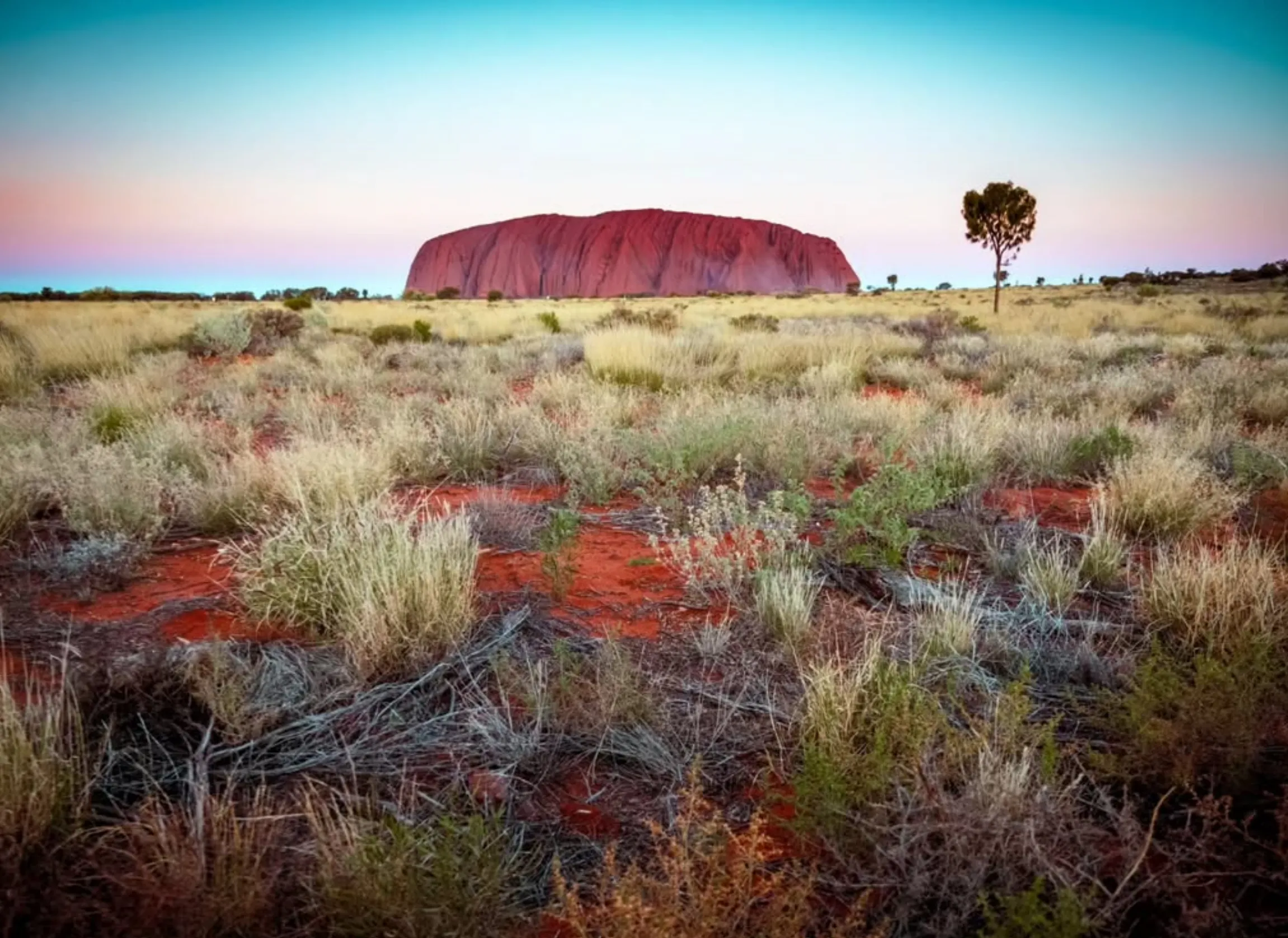
Uluru’s base walk is the big draw — a 10.6km track that takes you right around the rock. You don’t need ropes, guides or climbing permits (climbing Uluru has been closed since 2019), just good shoes, a hat and water.
I take about 3 hours to do the full loop with stops for photos and a yarn. In summer, you’ll feel like you’ve done the Sydney Marathon in a sauna. Winter’s kinder, with crisp mornings and skies as flat as a pancake.
- Distance: 10.6km
- Time: 3-4 hours at a steady pace
- Access: Start from the Mala carpark or the cultural centre
- Facilities: Toilets at the cultural centre, water taps at a couple of points, but don’t rely on them — carry your own
Cultural Respect: Why the Walk Matters

Walking around Uluru isn’t just exercise. It’s being in the Country. The Anangu, Traditional Owners of Uluru, ask that visitors respect sacred sites along the base. Some sections are signposted as no-photo zones. Respect those signs — they’re not optional decorations.
The Mala section of the base walk has rock art paintings that are thousands of years old. Standing in front of these ochre designs, you’ll get a sense of how the Anangu passed on law and stories through generations. It’s living culture, not a museum display.
When I lead groups here with Get Lost Travel, I always remind travellers: you’re not just “on holiday” — you’re a guest. The stories tied to Uluru go back tens of thousands of years. Walking the base gives you a chance to listen, slow down and see the rock formations as more than a giant sandstone lump.
Can You Sneak In? The Myth of Free Access
Every now and then, someone asks me, “Can’t I just drive past the gate at night?” Technically, you could try. Realistically, you’ll cop a fine, get grilled by rangers and have a terrible time. The checkpoint road isn’t some back alley track; it’s the Stuart Highway’s cousin. Sneaking in is like trying to dodge a road train – you’ll come off second best.
Save yourself the hassle. Pay the park pass. It’s cheaper than a speeding ticket and goes towards conservation, ranger wages and cultural programs.
What You’ll Actually See on the Circuit
The base walk isn’t just one long wall of rock. It’s a patchwork of features:
- Mala Walk: Caves with rock art, shady overhangs and ranger talks (free at set times).
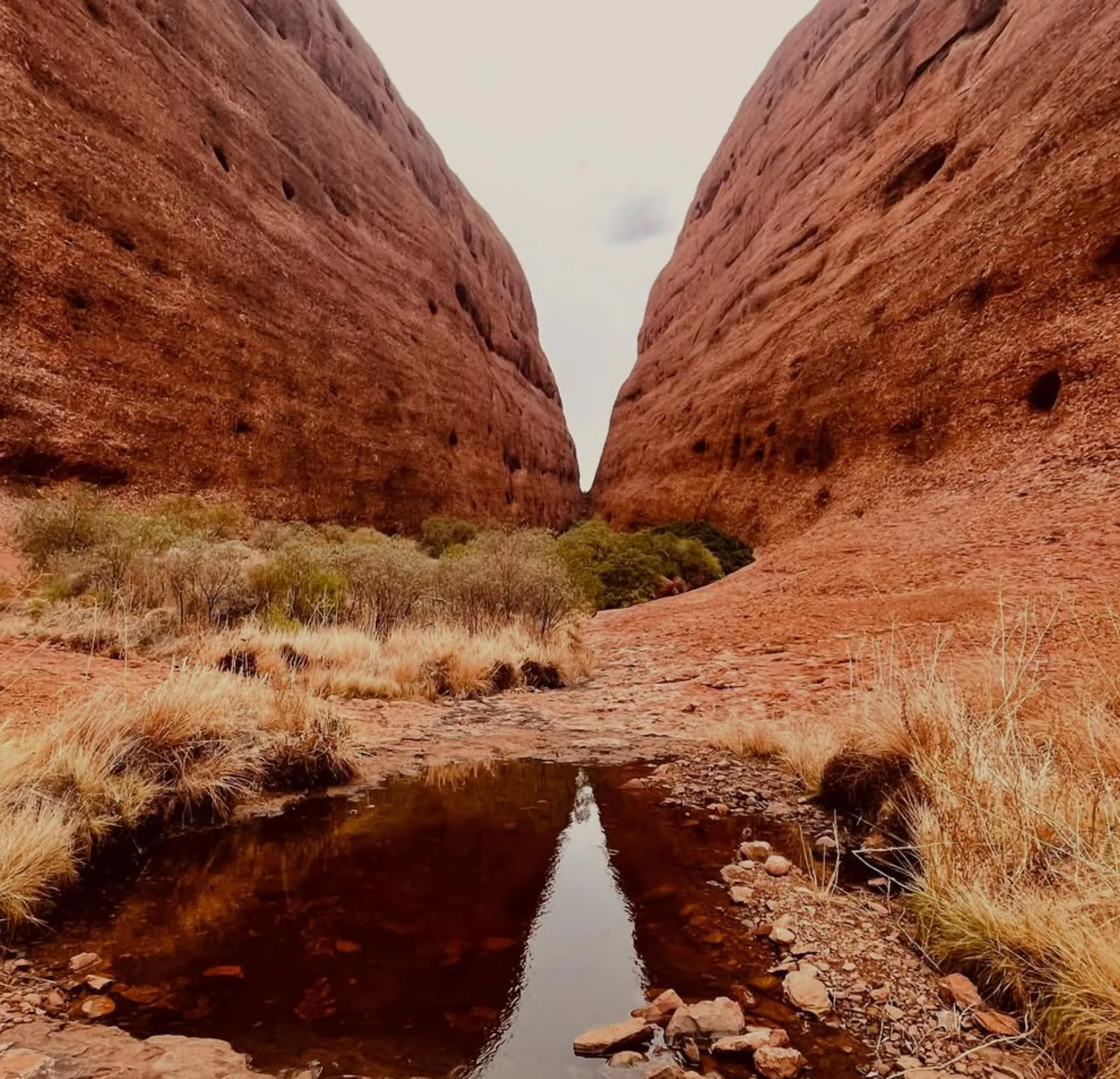
- Kantju Gorge: A dramatic waterhole where black-footed rock wallabies sometimes hang out.
- Mutitjulu Waterhole: Good spot for birdlife and a break.
- Sacred Sites: Tjukatjapi and other areas where rock art paintings hold cultural knowledge.
Bring binoculars if you’re into wildlife spotting. I’ve seen goannas basking and green ants marching in lines across the sand.
When’s the Best Season for the Walk?
I’ll put it bluntly: don’t do the full base walk in the wet season unless you’re part camel. From November to March, it’s hot as hell, storms roll in, and the humidity is rough as guts.
The sweet spot? April to September. You’ll still need sunscreen and a decent hat, but the mornings are cool enough to get a head start.
- 2-3 litres of water per person
- Wide-brim hat (not the souvenir trucker cap you bought in Alice)
- Sturdy shoes (blisters out here aren’t fun)
- Fly net – trust me, the mozzie cousins (bush flies) are relentless
- Snacks (trail mix or bikkies, not melted chocolate)
Where to Stay: From Desert Gardens to Pet-Friendly Hotels
Accommodation around Uluru ranges from luxury to budget. If you want mid-range with a bit of comfort, Desert Gardens Hotel at Yulara has air-conditioned rooms and views of the rock at sunset.
Travelling with a four-legged friend? While pets aren’t allowed in the National Park itself, you’ll find a few pet-friendly hotels and campgrounds in Alice Springs and along the Stuart Highway. Just remember: dogs and dingoes don’t mix well, so keep your furry mate on a leash and safe.
Planning Your Trip
Many people do the base walk as part of an Uluru tour. Companies like Autopia Tours do small group tours that go beyond the rock and include stops at Kata Tjuta and Kings Canyon.
If you’re short on time, a 2 day Uluru tour from Alice Springs covers the highlights, including sunset at the rock and a guided base walk.
Longer Uluru tours from Alice Springs often include cultural talks, visits to the cultural centre and the chance to see rock art up close.
For road trippers, an Alice Springs to Uluru tour is a good option – you get the transport, National Park Pass, and guides all bundled together.
Whether you book a multi-day trip or just a day trip, these Uluru tours make the logistics easier and add layers of cultural insight you’d miss otherwise.
How the Numbers Add Up: 2025 Tourism
Here’s where the numbers tell the story. According to Tourism Research Australia, Uluru–Kata Tjuta National Park had around 320,000 visitors in 2024, bouncing back strongly from pandemic lows. Early 2025 projections suggest a 7% growth, driven by international visitors and domestic road trippers.
Interestingly, the trend in 2025 is for people to prioritise experiential over superficial: more people are opting for ranger-led cultural talks, guided walks and rock art tours rather than just snapping a quick sunrise photo. The base walk around Uluru fits into that trend – slow travel, deeper engagement and more respect for Country.
Paying for the Base Walk
If you’re pinching pennies, there are free ways to see Uluru without entering the park:
- Sunset Viewing from the Lasseter Highway: Pull over at the designated bay outside the park gates — you’ll get a good view.
- Curtin Springs Wayside Inn: 85km east, free camping and long views of Mount Conner (often mistaken for Uluru).
- Yulara Lookout: Within the resort area, free access to viewing platforms.
But here’s the thing: none of these gives you the close-up connection you get walking the base. It’s like looking at a pub from across the street versus actually going in for a beer.
Guided Walks vs. Solo
Should you pay for a guided walk or just go solo? Depends on what you want.
Solo:
- Cheaper (just your park pass)
- Set your own pace
- Good for photographers who like to linger
Guided Walks (with us):
- Cultural interpretation from Anangu guides or trained rangers
- Safety net in case of heat, injury or snake sightings
- Deeper insights into rock art paintings and sacred sites
- Small-group camaraderie (less chance of feeling like you’re alone on Mars)
Local Tips for a Smoother Walk
- Start before 8 am. You’ll beat the heat and the coach groups.
- Clockwise or anti-clockwise? Doesn’t matter, but I reckon starting at Mala carpark sets the tone with the best cultural insight.
- Photo etiquette: If in doubt, don’t snap. Rangers will tell you which sections are culturally sensitive.
- Pack layers: Mornings can be chilly, even in August.
- Don’t skimp on fly nets. You’ll thank me later.
The Bigger Picture: Walking with Respect
Remember — this isn’t just about saving a few bucks. Walking around Uluru is about connecting with a living, sacred landscape. The Anangu welcome visitors who approach with respect, curiosity and a bit of humility.
Think of your National Park Pass as a contribution, not a toll. It keeps the track maintained, funds conservation and supports cultural programs that help us understand the Country better.
Final Reflection: Why Pay the Fee
So, can you walk around Uluru for free? Technically, no — unless you’ve got an NT licence in your pocket. But the better question is: why would you want to? The fee’s small compared to what you gain — connection with Country, stories from the world’s oldest continuous culture, and a safe, well-maintained track through the beating heart of the Red Centre.
I’ve walked the base dozens of times, and each lap still teaches me something new. That’s worth more than the cost of a park pass.
Got your own yarn from Uluru? Drop it in the comments — I’m always updating field notes for fellow travellers. And if you’re keen to join a small-group journey through the Red Centre, check out the trips we run with Get Lost Travel.
Safe travels, keep your billy handy, and don’t forget the fly net.
— Paul Beames
FAQ
Do I need a guide to walk the base of Uluru?
No, the track is well-marked and safe for most travellers, but a guide adds cultural context and practical support.
How long does it take to walk right around Uluru?
About 3–4 hours with photo stops. In hotter months, start at sunrise to avoid the worst of the heat.
Are there free lookouts where I can see Uluru without paying?
Yes — Yulara Lookout and the Lasseter Highway viewing bay give decent views. But they don’t replace the experience of the base walk.
Is it safe to walk in summer?
Only if you start very early and carry enough water, many travellers underestimate the heat — dehydration is the number one risk.
Can Northern Territory locals really enter for free?
Yes, residents with a valid NT ID can apply for a free annual pass. It’s a perk of living in the Territory.