Ever looked at someone’s flawless brows and thought, “How do I get into that line of work?” You’re not alone. The cosmetic tattoo industry is booming across Australia — and not just because we’re all sick of reapplying eyeliner in the car. In this blog we’ll break down what qualifications you actually need for semi-permanent makeup in Australia, what’s legally required, what’s nice to have and what will actually make you good at it.
Spoiler: It’s more than a certificate and a ring light. It takes theoretical knowledge, practical training and a passion for beauty to build a career.
Contents
- 1 The Basics
- 2 Legally Speaking
- 3 What About Training Courses?
- 4 Nationally Recognised vs Private Cosmetic Courses
- 5 The Skills You Actually Need
- 6 How Long?
- 7 Costs
- 8 Is It For You?
- 9 Final Thoughts
- 10 FAQ
- 10.1 Do I need a beauty therapy qualification to do cosmetic tattooing?
- 10.2 How long does a cosmetic tattooing course take?
- 10.3 What’s the difference between nationally recognized and private cosmetic tattoo courses?
- 10.4 Can I do cosmetic tattooing from home?
- 10.5 How much can I earn as a cosmetic tattooist?
The Basics
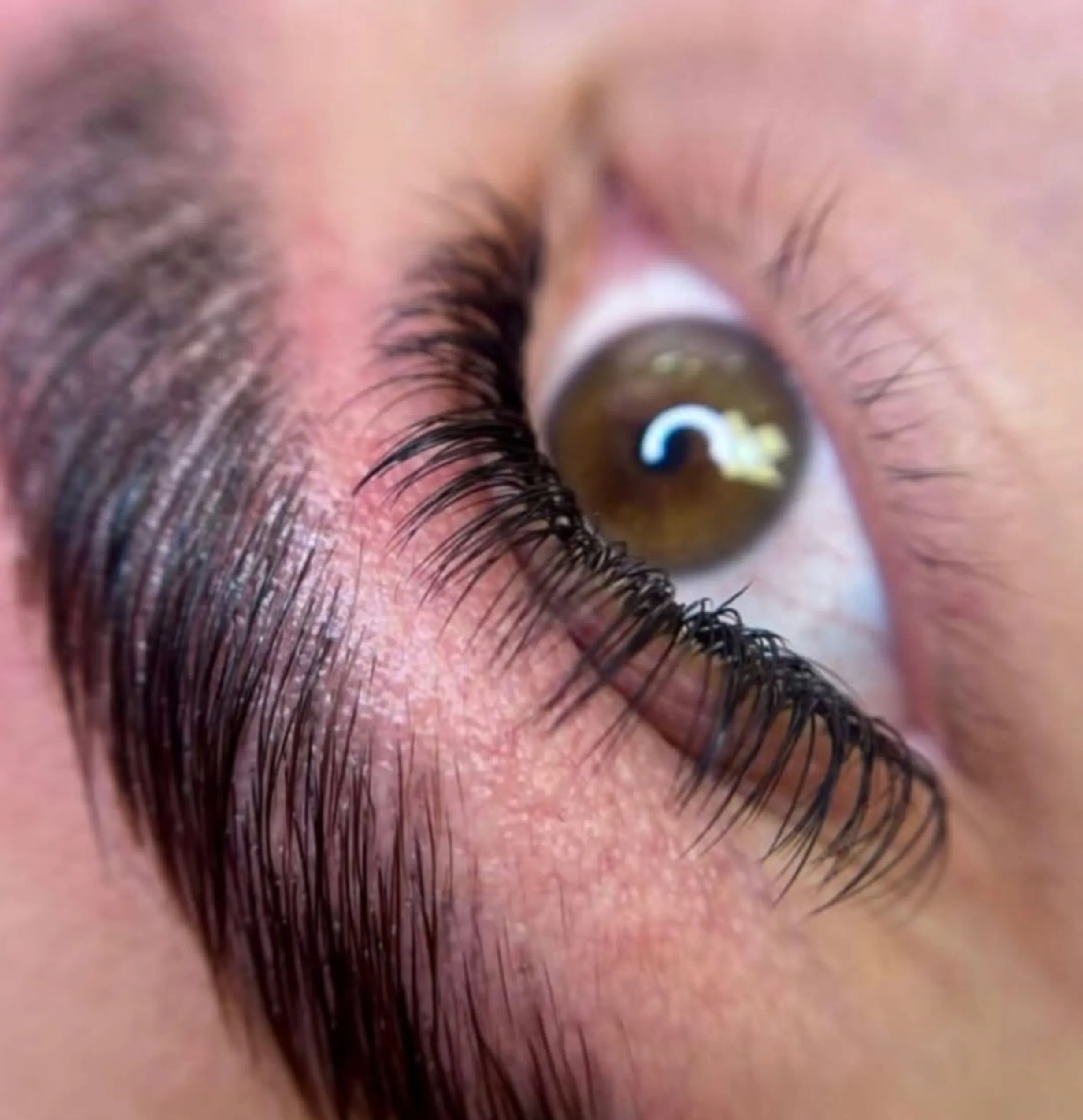
Semi-permanent makeup (SPMU) — also known as cosmetic tattooist — includes procedures that enhance natural beauty through eyebrow tattooing, eyeliner tattooing, lip tattoos and even colour correction for uneven skin tones. It’s a fast-growing part of the beauty industry that combines artistic skills with clinical-level safety standards.
These treatments involve implanting pigment into the dermal layer of the skin using cosmetic tattoo machines or manual tools. Unlike traditional tattooing, these results fade over time so regular touch-ups are required. Understanding the structure of skin, skin conditions and how different pigments interact with different undertones is essential.
At Cosmetic Tattoo Melbourne Studio Face Figurati we see firsthand how cosmetic tattooing is changing the game for clients who want low maintenance, natural enhancements that still look like them.
Legally Speaking
Every state in Australia has slightly different licensing rules but here are the basic requirements for offering cosmetic tattoo treatments:
- Infection control units: You’ll need a recognized qualification in infection prevention and infection control (e.g. HLTINF005 or HLTINF006). This is required for all skin penetration procedures.
- A tattooing license: Cosmetic tattooists must apply for a license to perform skin penetration treatments. Each state has a slightly different licensing process but most require background checks and council requirements to be met.
- Approved premises: Whether you’re working in a commercial studio or offering tattooing for brows at home, your space must comply with your local council’s skin penetration procedure regulations.
- Insurance: Public liability and professional indemnity coverage is essential. You’re working on faces after all — and infection risks and adverse effects do happen.
Tip: Always check the age requirements and specific council requirements in your area before launching your cosmetic tattoo business.
What About Training Courses?
Here’s where the cosmetic industry gets a little fuzzy. Unlike becoming a beauty therapist or makeup artist, there’s no one national diploma you must have to do cosmetic tattoo treatments. But if you’re doing eyebrow microblading or eyeliner tattooing you still need to show competence.
Look for a cosmetic tattooing course that includes:
- Practical training with live models (not just latex pads)
- Comprehensive training in the healing process and pigment retention
- Theoretical knowledge of skin conditions and colour theory
- Client consultation skills and managing client requirements
- Aftercare and safety practices to prevent adverse effects
- Essential skills like brow mapping, lip shaping and eyeliner design
A good course should cover core units and meet industry expectations.
Red flag: Cosmetic tattoo courses that offer certificates after a one day workshop with no hands on practice don’t prepare you for real clients — or real risks.
Nationally Recognised vs Private Cosmetic Courses
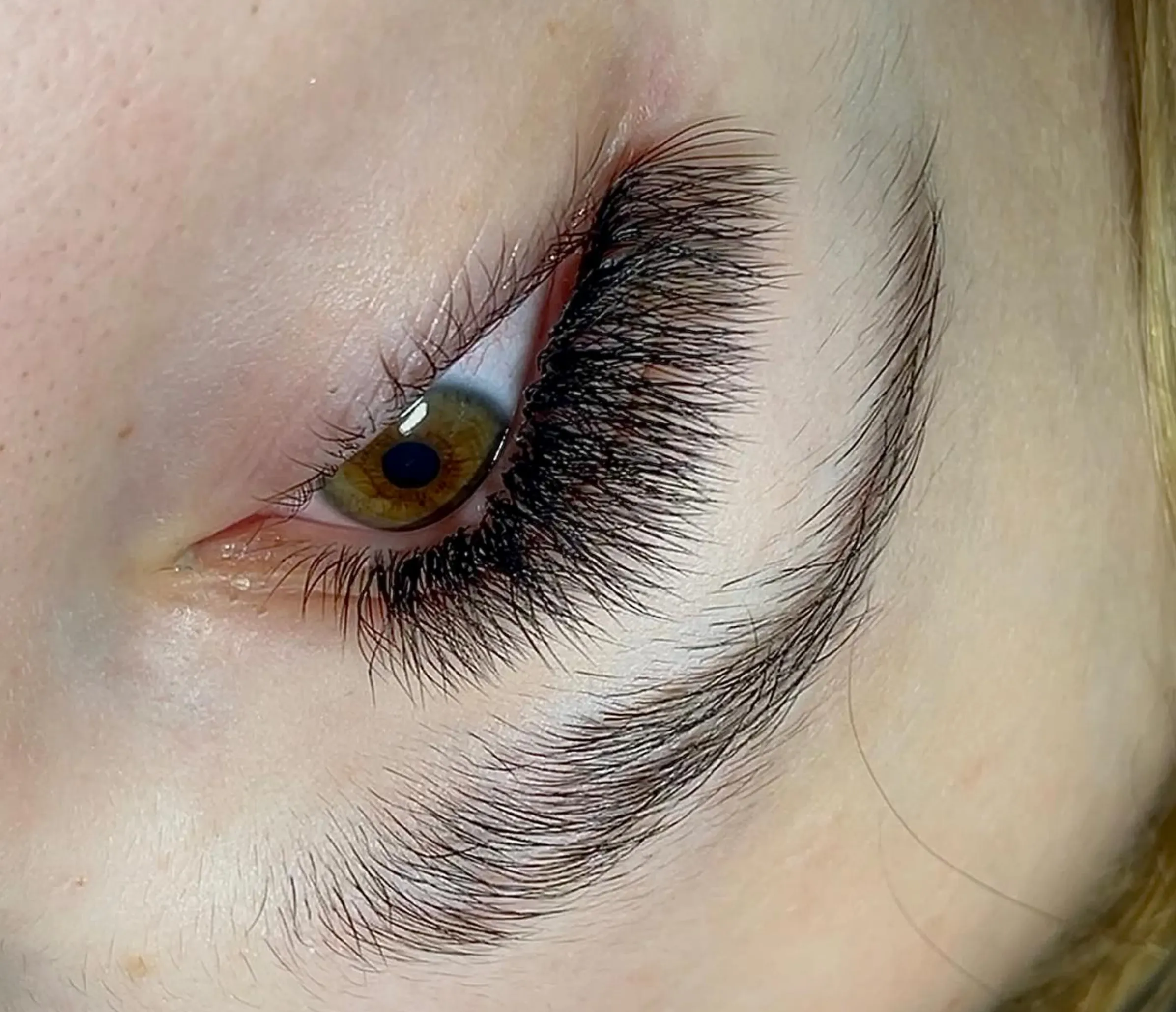
Some expert trainers and RTOs (Registered Training Organisations) offer nationally recognized cosmetic tattooing courses as part of broader beauty qualifications. These are structured to meet vocational education benchmarks and are perfect for anyone starting in the beauty industry.
Private cosmetic tattooing courses are more flexible and focus on advanced skills like ombré brows, blush lips or tattooing for darker skin tones. These may not be government-accredited but are often taught by experienced artists still working in the field.
At Cosmetic Tattoo Melbourne many of our senior artists mentor up-and-coming tattooists through both formal training and in-salon shadowing — because there’s no substitute for real-time learning.
Many successful cosmetic tattooists start with a nationally recognized course and then layer in advanced courses as they grow.
The Skills You Actually Need
Let’s be honest — completing a course is only the first step. What turns beauty professionals into trusted cosmetic tattoo specialists?
- Artistic skills: Mapping, shading, symmetry — this is where your eye for facial features and natural features really matters.
- Safety protocols: Following safety guidelines and infection prevention procedures every time.
- Business skills: Managing bookings, developing beauty business plans and navigating payment options.
- Communication: Talking through expectations, healing stages and aftercare with clarity and care.
- Continuous learning: Trends change, skin changes — so your education can’t stop at the completion of one course.> I’ve mentored artists who had all the qualifications but struggled because they lacked patience, empathy or a proper aftercare protocol. Clients notice.
How Long?
Becoming a confident cosmetic tattooist doesn’t happen overnight. You’ll need time to learn the theory, complete your training and practice under guidance.
Here’s a rough timeline:
| Stage | Timeframe |
|---|---|
| Basic training course | 5–10 days |
| Infection control and licensing process | 2–8 weeks |
| Supervised model work | 1–3 months |
| Offering services to paying clients | 3–6 months post-training |
| Independent, confident artist | 6–12 months minimum |
Costs
The upfront investment can be big but it’s worth it for long-term success:
- Training courses or cosmetic tattoo classes: $3,000–$12,000
- Infection control units + safety protocols training: $250–$500
- Licensing and council requirements: $300–$600
- Cosmetic tattoo machine and pigments: $2,000–$6,000
- Clinic fit-out (if opening a space): $500–$5,000
Bonus: Many courses now offer payment options or run marketing webinars for new graduates setting up shop.
Is It For You?
Yes — for beauty professionals who combine cosmetic tattooing expertise with client trust and hygiene compliance.
Industry experts predict growth, and more Australians are opting for subtle enhancements over heavy makeup. Demand for quality services has skyrocketed in city salons and regional setups.
What clients want in 2025:
- Natural beauty, not extreme trends
- Skilled beauty artists with independent reviews
- Clear safety protocols and healing advice
- Cosmetic tattooing businesses offering colour correction and maintenance
Final Thoughts
So what qualifications do you need for semi-permanent makeup?
Legally: infection control units and a skin penetration license. Realistically: comprehensive courses, expert trainers, business skills and continuous learning.
If you’re serious about offering cosmetic tattooing treatments — whether it’s eyebrow tattoo, eyeliner tattooing or lip tattoos — focus on cosmetic tattooing courses that go beyond the basics. Look for expert instructors, ask for detailed instructions and make sure you’re learning from people still working in the industry.
Studios like Cosmetic Tattoo Melbourne Studio Face Figurati offer treatment services and real-world mentorship that help new artists bridge the gap between training and confident client work.
Still unsure where to start? I’m happy to chat through training options, council requirements in your area or how to structure your cosmetic tattooing business.
Comment below or DM. Let’s build your career on skill not shortcuts.
FAQ
Do I need a beauty therapy qualification to do cosmetic tattooing?
No. While a beauty therapy background is helpful, it’s not a requirement. What’s important is infection control certification and a state-issued tattoo license.
How long does a cosmetic tattooing course take?
Most foundation courses are 5–10 days but you’ll need several months of practice on models and supervised work before you’re client-ready.
What’s the difference between nationally recognized and private cosmetic tattoo courses?
Nationally recognized courses meet educational standards and may be required for government funding or insurance purposes. Private courses often have more current or specialized techniques.
Can I do cosmetic tattooing from home?
Yes, but only if your home studio is council-approved, meets health and hygiene regulations and you have the correct skin penetration license and insurance.
How much can I earn as a cosmetic tattooist?
Experienced cosmetic tattooists in Australia can earn $70,000–$120,000 per year depending on services offered, location and client base.