Contents
- 1
- 2 Why The Scars Of War Still Feel Fresh
- 3 East Point Reserve And The Survivor’s Lookout
- 4 Oil Storage Tunnels – Burying the Fuel in Secret
- 5 Stokes Hill Wharf – USS Peary’s Bloody Day
- 6 Bicentennial Park – Right on the Water
- 7 Charles Darwin National Park – Defence Force Left Behind
- 8 Cenotaph – The Heart and Soul of the City
- 9 Quarantine Battery & Doctors Gully
- 10 Myilly Point & Government House Precinct
- 11 What You’ll Notice When You Do This Yourself
- 12 Practical Tips Before You Hit the Trail
- 13 Cultural Context & Respecting Country
- 14 Why Exploring Solo Changes Perspective
- 15 Final Thoughts From The Track
- 16 FAQ
9 World War 2 sites in Darwin you can visit without hiring a tour guide isn’t about rebelling against the idea of having a guide – it’s more about slowing down enough to really absorb what went on here.
Darwin – just a tiny speck perched on the edge of the Top End between the Timor Sea and the Arafura Sea – was Australia’s shield in the north during World War 2, and sadly it paid the price for that role.
On the 19th of February 1942, a bombing raid on Darwin left the town in ruins in under an hour. 235 people lost their lives, and the infrastructure was left in shambles, making Darwin the hardest bombed place in the country.
So you don’t need to join a Darwin tour to see where it all happened – you can just take a walk, stand in the spots and try to get a sense of the scale for yourself.
I’m Paul Beames, and having spent years wandering around Darwin, its coastline, parks and old defence zones – I reckon this city tells its war story best when the places are allowed to speak for themselves.
Why The Scars Of War Still Feel Fresh
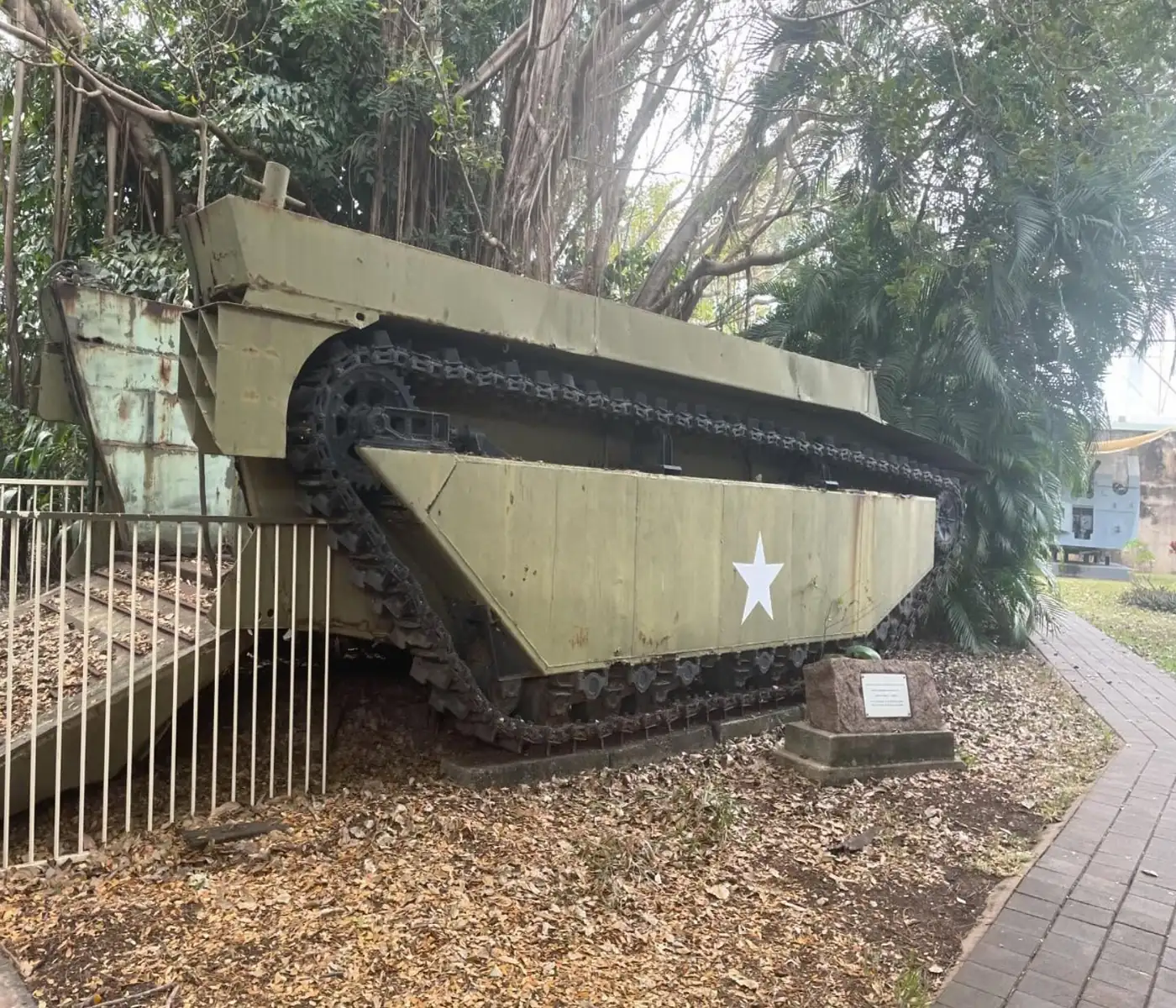
Unlike southern cities, Darwin never built its war story into just monuments. The remains just stayed where they were useful – on headlands, cliffs and harbour edges.
So the WWII history here doesn’t feel like some distant abstract thing. You’re not imagining the distances – you’re actually trudging through them.
Loads of travellers go for structured Darwin tours or join coach loops run by operators like Autopia Tours – which is fair enough if you’re short on time.
But if you wander the place on your own, you get a real sense of how close everything is – how exposed the town really was – and why people got so panicked, confused and resilient all at the same time.
East Point Reserve And The Survivor’s Lookout
East Point Reserve was Darwin’s main coastal defence position back in the war. Anti-aircraft guns, searchlights and observation posts used to ring this exposed headland, all trained straight across Darwin Harbour.
Walking through here today, you’ll see the remains of concrete gun pits, old bunkers, and the Survivor’s Lookout, which gives a cracking view over the water.
On a still day when the heat is just crushing you, and there’s no escape from the sun, you get a tiny taste of what those Aussie servicemen went through while standing watch.
Military Museum At East Point
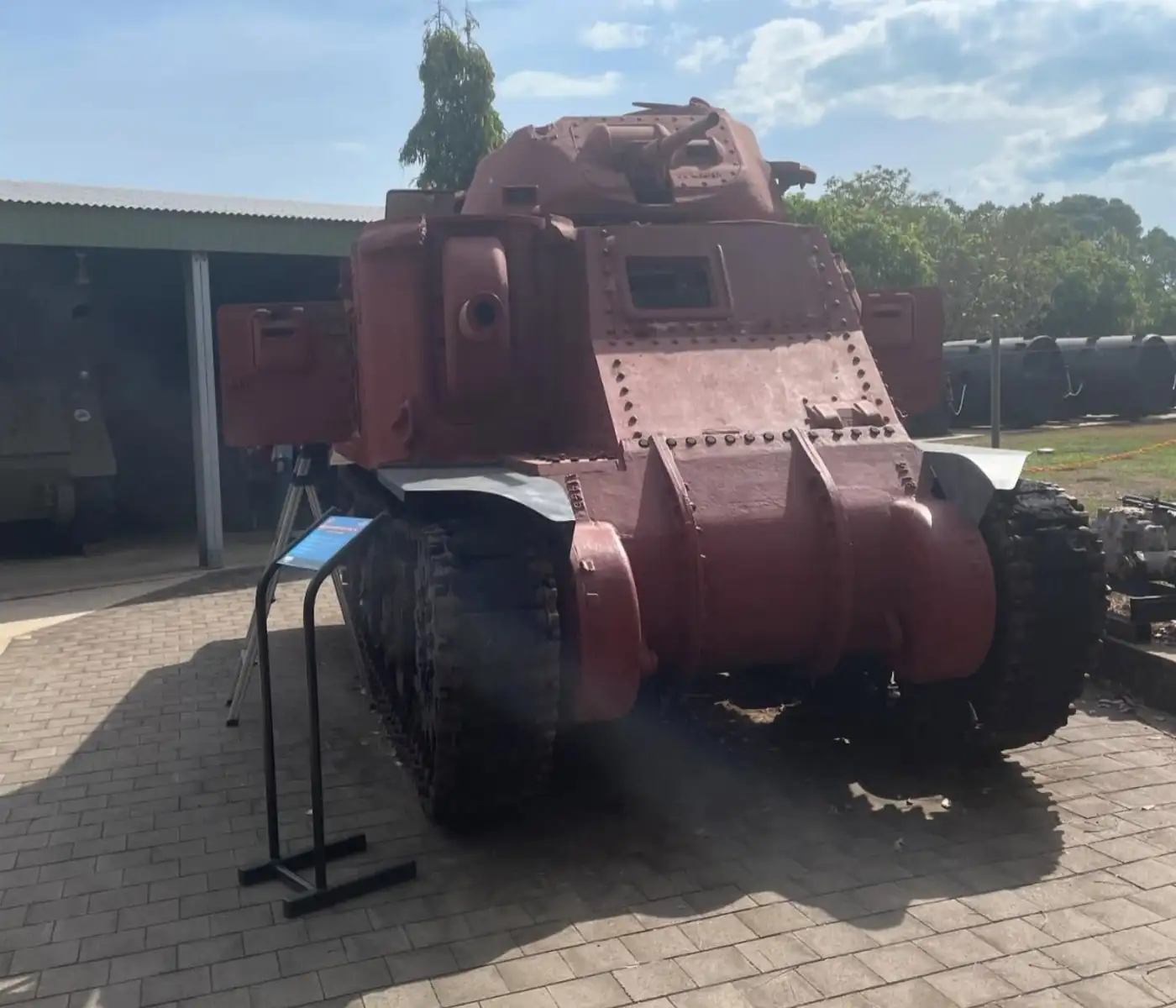
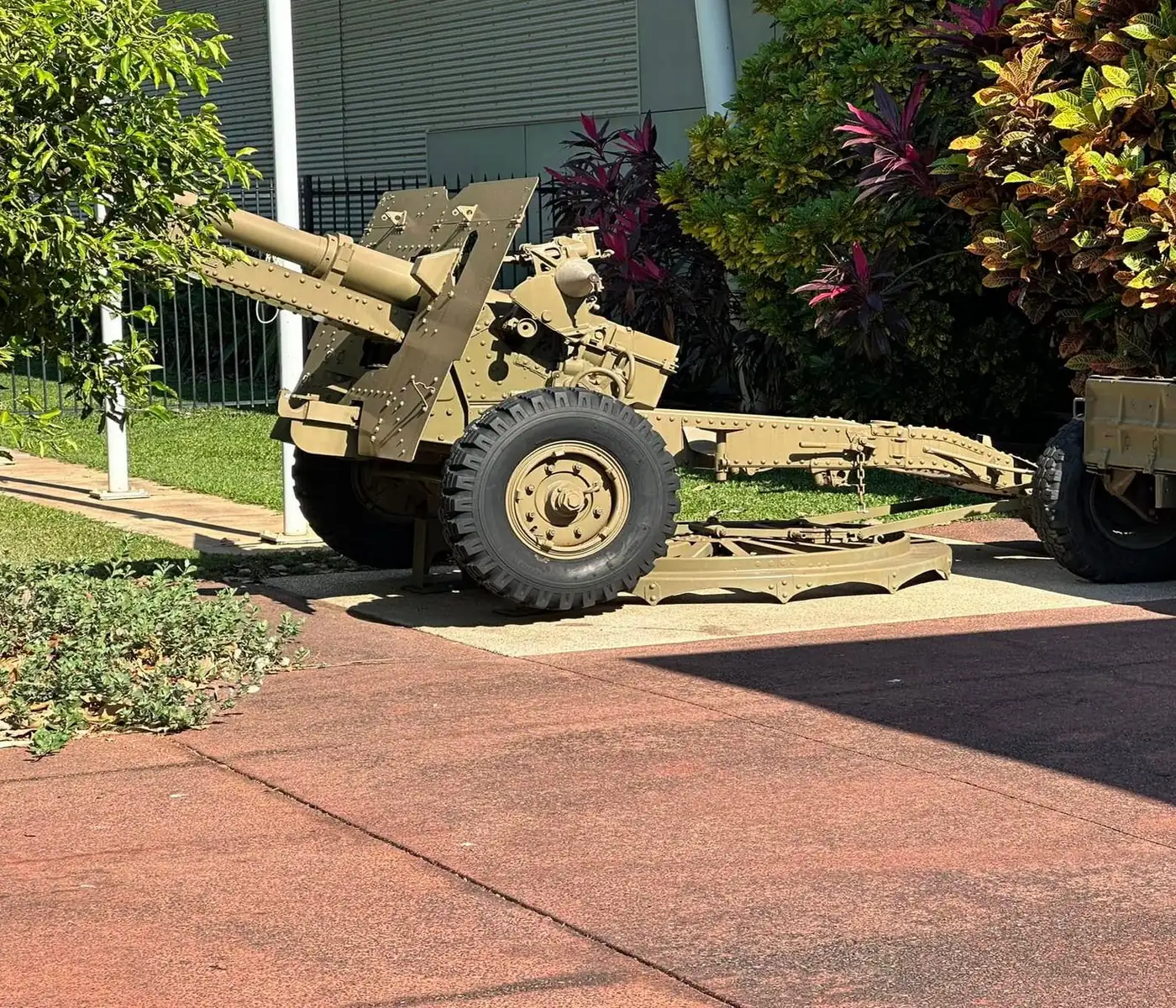
This Military Museum At East Point is built right on top of the original artillery positions – so you see the real deal – not replicas or relocated stuff.
The outdoor bits are accessible even if you choose not to go inside, while the exhibits cover the sorts of planes the Japanese flew, the damage they did, and Darwin’s role in the wider Pacific campaign.
Compared to those super-fast Darwin trips, this spot is all about taking your time and reading everything carefully.
Oil Storage Tunnels – Burying the Fuel in Secret
Once the surface fuel tanks were blasted out of the picture, Darwin hit back with a secret plan. In 1943, a team of workers blasted their way into the cliffs and created underground fuel storage chambers to protect the precious aviation fuel supplies.
The Oil Storage Tunnels themselves are a pretty cool – pretty cool, I mean that literally – cool, dim and deliberately hidden away from the bright tropical sun that’s outside.
It’s like a world away from the world above.
They’re a pretty good example of just how Darwin’s people stepped up to the plate and came up with a whole new plan – and fast – to keep the fuel out of harm’s way.
Stokes Hill Wharf – USS Peary’s Bloody Day
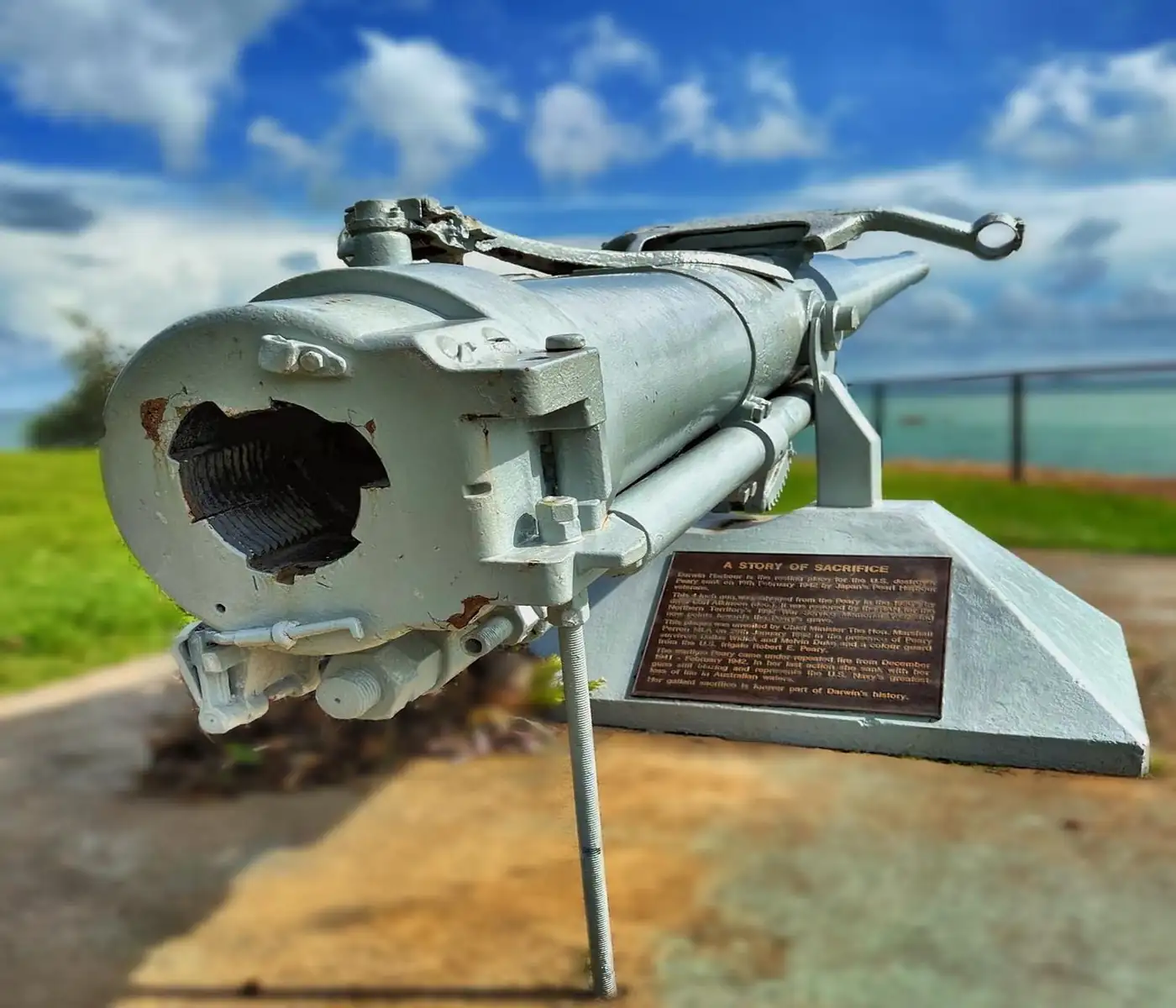
Back in the day, Stokes Hill Wharf took a direct hit during the first air raid and several dock workers and sailors paid the ultimate price for it.
Then there was the US Navy’s destroyer USS Peary, sunk in Darwin Harbour with 88 crew members on board, including Lieutenant Robert Buel, lost to the war.
It’s a day that will never be forgotten.
Nowadays, you can just walk by the USS Peary Memorial, grab a takeaway and be none the wiser – just one of those moments in history that slips under the radar.
Of those who do take the time to stop and have a look, it’s usually those who are taking their own sweet time to explore and not bothering with some over-structured Darwin tour.
Bicentennial Park – Right on the Water
Lap it up with the joggers, picnics, and your dog, too.
Bicentennial Park sits at the spot where medical teams rushed in to help those in need and where repair work was underway in 1942.
You can see the Commemorative Wall for yourself – it’s for all of those people who served and sadly lost their lives during the war.
Yeah, it’s all pretty calm and peaceful now – but then it’s a whole different story – people running back towards the harbour and the old Post Office.
Standing here puts things into perspective, showing just how much day-to-day Darwin life was put on hold while the city dealt with the war.
Charles Darwin National Park – Defence Force Left Behind
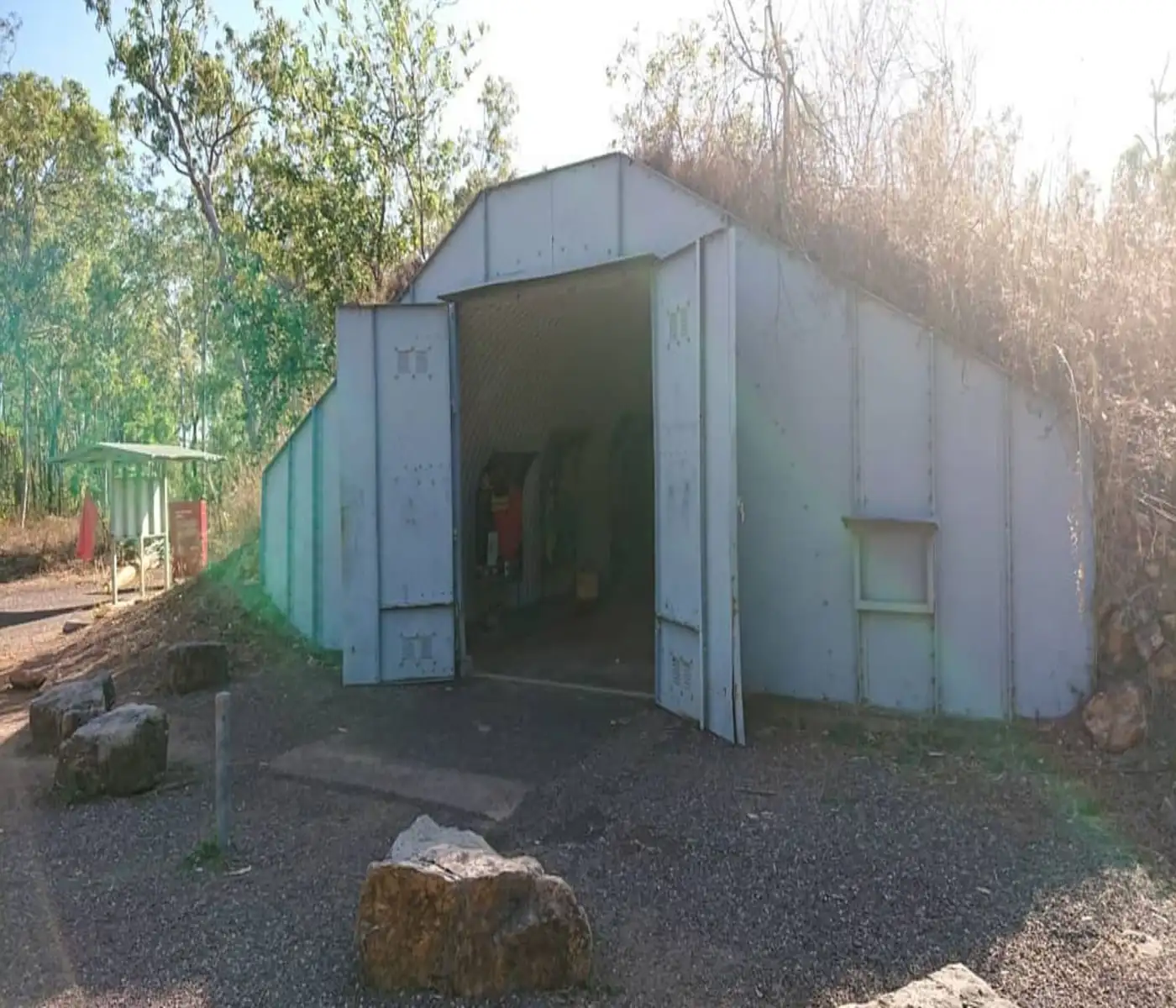
You might not even know it today, but Charles Darwin National Park was once off-limits.
Instead of a quiet green space, it was a restricted military zone where ammo bunkers and storage igloos were keeping the city’s airfields and harbour protected.
Nowadays, you can find interpretive signs that explain how it all fits into the big picture of the Cold War.
It’s a pretty open spot with not much shade – the heat itself becomes a big part of the story if you hang around here a bit.
Cenotaph – The Heart and Soul of the City
Looking out over Darwin Harbour, you can see the Darwin Cenotaph, which, after the war, became the place where the city came together to remember.
While it wasn’t built during the war, it keeps the memory of that day alive.
You get a sense of the collective memory that still lingers in a city like Darwin that got hit so hard, so fast.
You can even see the flight paths that the planes used to come in on that fateful day, and that makes sense of just how strategic a target Darwin was.
Quarantine Battery & Doctors Gully
The Quarantine Battery area and Doctors Gully down here in Darwin were key parts of its coastal observation network back when.
Guys watching from up high, out the lookout posts, would keep an eye on planes and ships coming into Hope Inlet – just in case something was brewing in that direction.
Nowadays, though, lots of people come to check out the sunsets and the fish feeding, but if you stop for a moment & take a look around, it’s pretty obvious the area was set up to keep an eye out that way.
Myilly Point & Government House Precinct
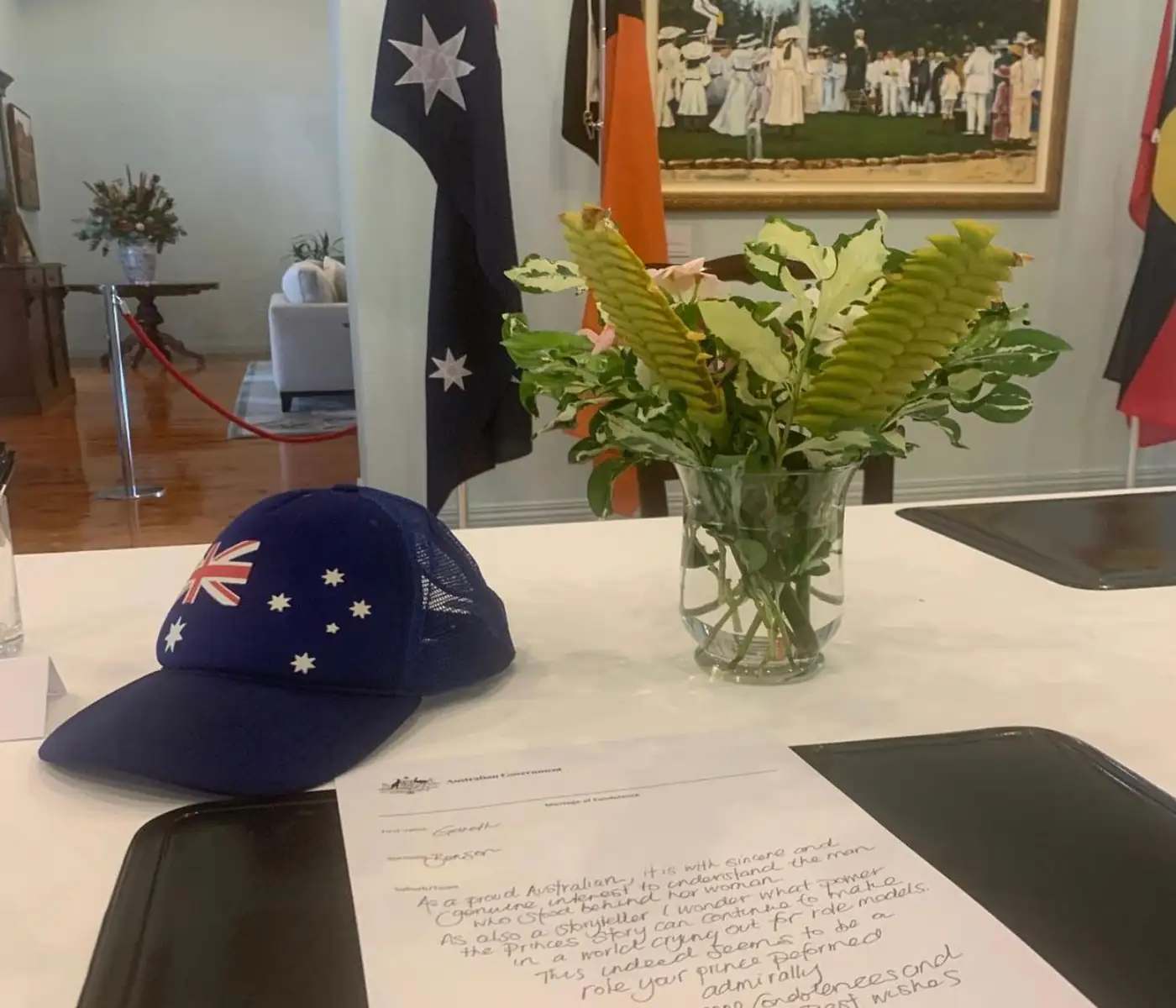
Myilly Point & Government House Precinct This nicely leafy neighbourhood was home to some of the big cheeses, the top brass and high-ups, during WWII – we’re talking Government House and all that.
None of it got bombed to smithereens, but the place still tells a story of how the key decision makers operated while the town was getting torched.
It’s also one of only a few bits of Darwin that got through okay – a pretty stark reminder that the destruction wasn’t all over the place as it was in other areas.
What You’ll Notice When You Do This Yourself
| Area | What You’ll See | Time Needed | Reality Check |
|---|---|---|---|
| East Point | Gun pits, bunkers | 1–2 hrs | Little shade |
| Military Museum | Artillery, displays | 45–90 mins | Partial fee |
| Oil Tunnels | Underground fuel stores | 30–45 mins | Cool inside |
| Stokes Hill Wharf | Memorial signage | 15 mins | Busy midday |
| Charles Darwin NP | Ammo bunkers | 1 hr | Hot and exposed |
Practical Tips Before You Hit the Trail
There are a few things to have in mind before you set out:
- Mornings are usually cooler, so if you can get up early, you’ll avoid the heat of the day
- You don’t need to go far to need to carry some water, even a short walk can be thirsty work
- And of course, be on the lookout for saltwater crocodiles around Darwin Harbour – it’s a serious thing
- Keep an eye on the barriers and signs – these places are protected, and it’s worth preserving them
- If the route has a few stops linked together, try walking between them instead of driving all the time – it’s a bit more relaxed that way
- Lots of travellers prefer the way Darwin tours are set up – especially if it’s their first time or they’re on a cruise. Operators like Autopia Tours make things easy, taking care of all the logistics – but if you prefer to be in control, go it alone, and you’ll get to set the pace for yourself
Cultural Context & Respecting Country
These places you’re about to visit are on Larrakia Country, so as you walk, keep that in mind.
The WWII history here is pretty significant, but it overlays a whole lot older stories of Aboriginal culture, law and connection to land and sea – so be mindful of that.
Just stick to the marked paths, don’t climb on any structures and remember you’re walking in their Country, not just looking at some old sites
Why Exploring Solo Changes Perspective
Walking these places by yourself means you start to notice all the little things – the distance between one thing and another, how exposed you are, the geography of the place.
You start to feel the heat, you see the closeness of everything to the water, and you get it – why Darwin was so important strategically
Guided Darwin tours – whether it’s by bus, boat or operators like Autopia Tours are great – but there’s something special about standing alone at some old gun pit, with just the wind and history for company
Final Thoughts From The Track
Darwin doesn’t try to hide its dark history – it’s got it woven into its very fabric.
These places aren’t put on a pedestal, all polished up and whatnot, and that’s exactly what makes them work.
They’re raw, honest, and can be downright uncomfortable to visit.
If you’re only got one day in Darwin, ditch the long lunch and take a long walk instead.
You’ll be leaving with a lot more respect for this city, and a way better idea of what it’s been through.
— Paul Beames
FAQ
Can I visit these places without booking in advance?
Yes, they’re all open to the public, with clear signs and no need to book. Just turn up and go.
How long should I allow to properly explore these locations?
Truthfully, a full day is plenty or if your short on time, two half days with a break from the heat would be better.
Is it suitable for kids and families?
Most places are fine for kids, bar some more mature museum content and bits about the war history, which might be a bit heavy for younger kids.
Are there any safety concerns near the water?
Generally, it’s ok, but be aware that there are safety concerns near the water – so always keep an eye out.
Is taking a guided tour ever the better option?
If you’re short on time or just want to sit back and let someone handle the logistics, booking a tour with operators like Autopia Tours could be worth considering.
On the other hand, if you like to do things your own way and have plenty of time, then a self-guided visit is probably the way to go.