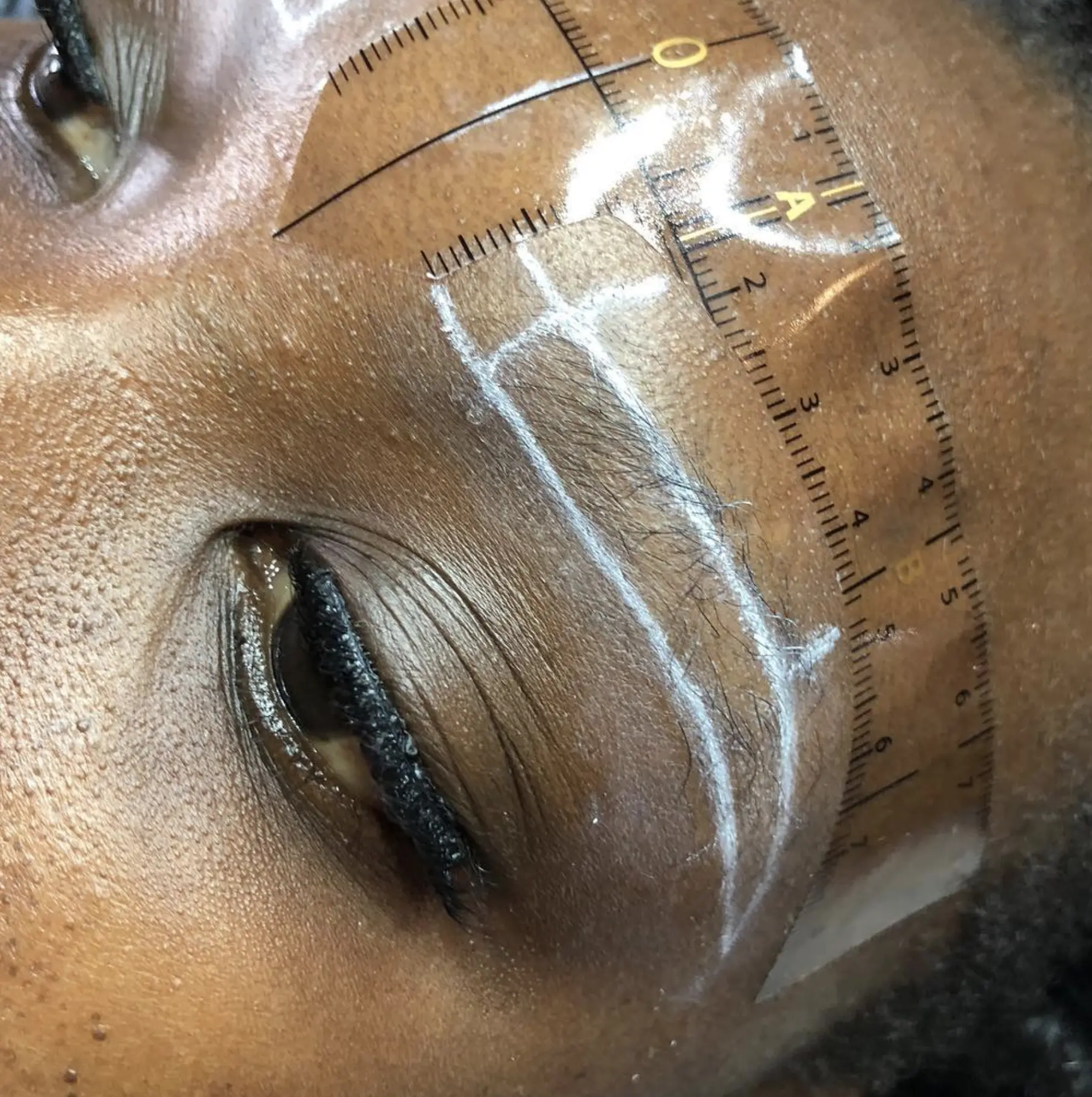
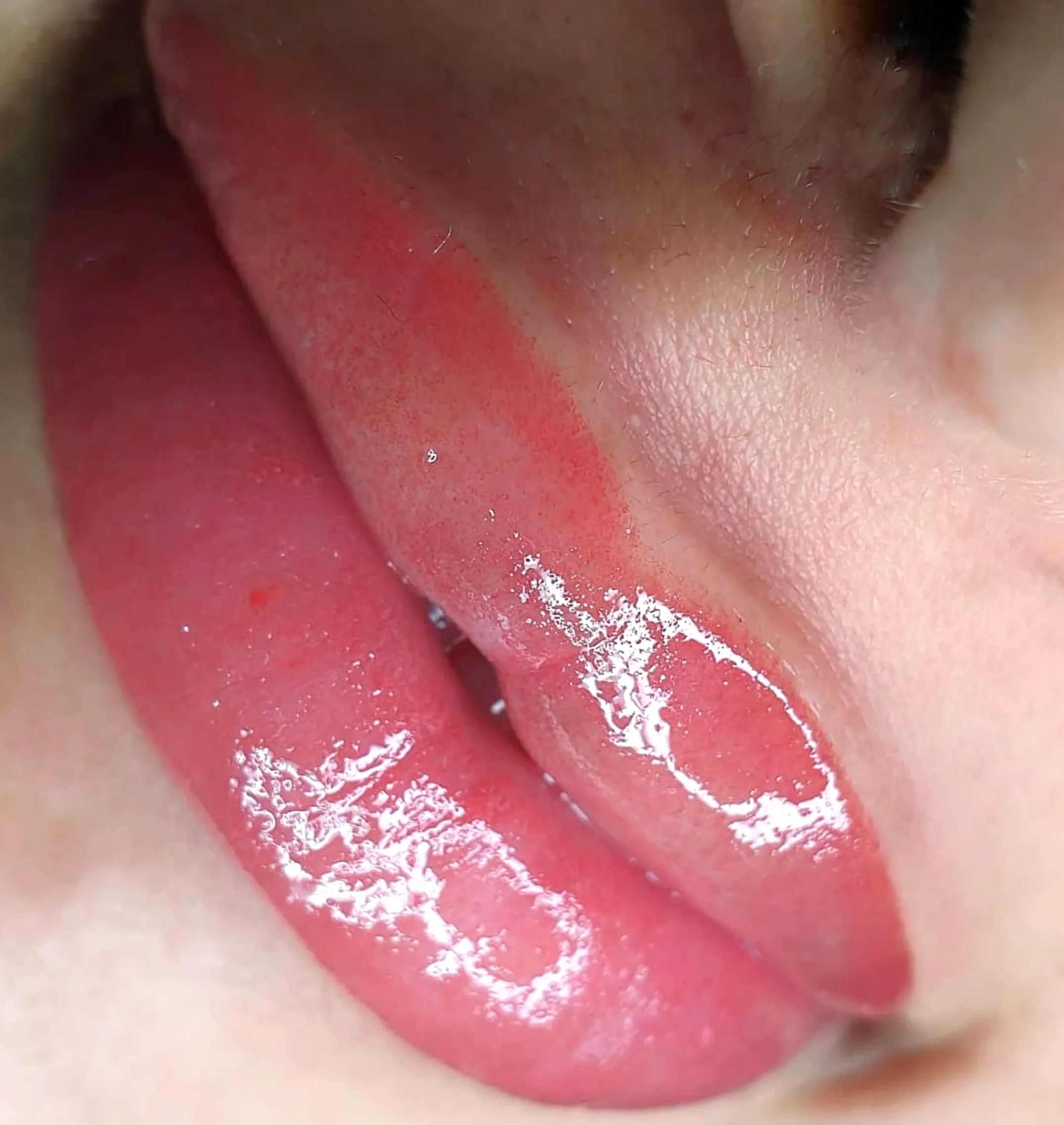
Saline tattoo removal is becoming a popular option for people looking to remove unwanted tattoos. Unlike laser removal, saline tattoo removal is a natural, non-invasive method that uses a saline solution to lift the tattoo ink out of the skin. While it works, you need to understand the healing time and how to care for your skin during the process.

Contents
An Effective and Natural Solution
Saline tattoo removal involves using a hypertonic solution of saline to pull out the unwanted pigment particles from the skin. This method is used for cosmetic tattoos like eyebrow tattoos, eyeliner tattoos and lip tattoos. It’s a non-laser tattoo removal method, so it’s suitable for people with sensitive skin or those who want an alternative to laser tattoo removal. It’s versatile, works and is suitable for tattooed eyebrows, permanent makeup pigments and even body tattoos.
The Healing Process
Healing time for saline tattoo removal depends on the size of the tattoo, your skin type and how well you follow aftercare instructions. Below is a detailed timeline of what to expect:
1. Immediately After the Procedure:
- The treated area will be red and swollen due to fluid drainage and initial trauma to the skin.
- You may see slight scabbing or crusting, but that’s normal. Don’t touch or scratch the area.
- Some discomfort or tenderness is normal, but a numbing agent applied before the procedure will minimize this.
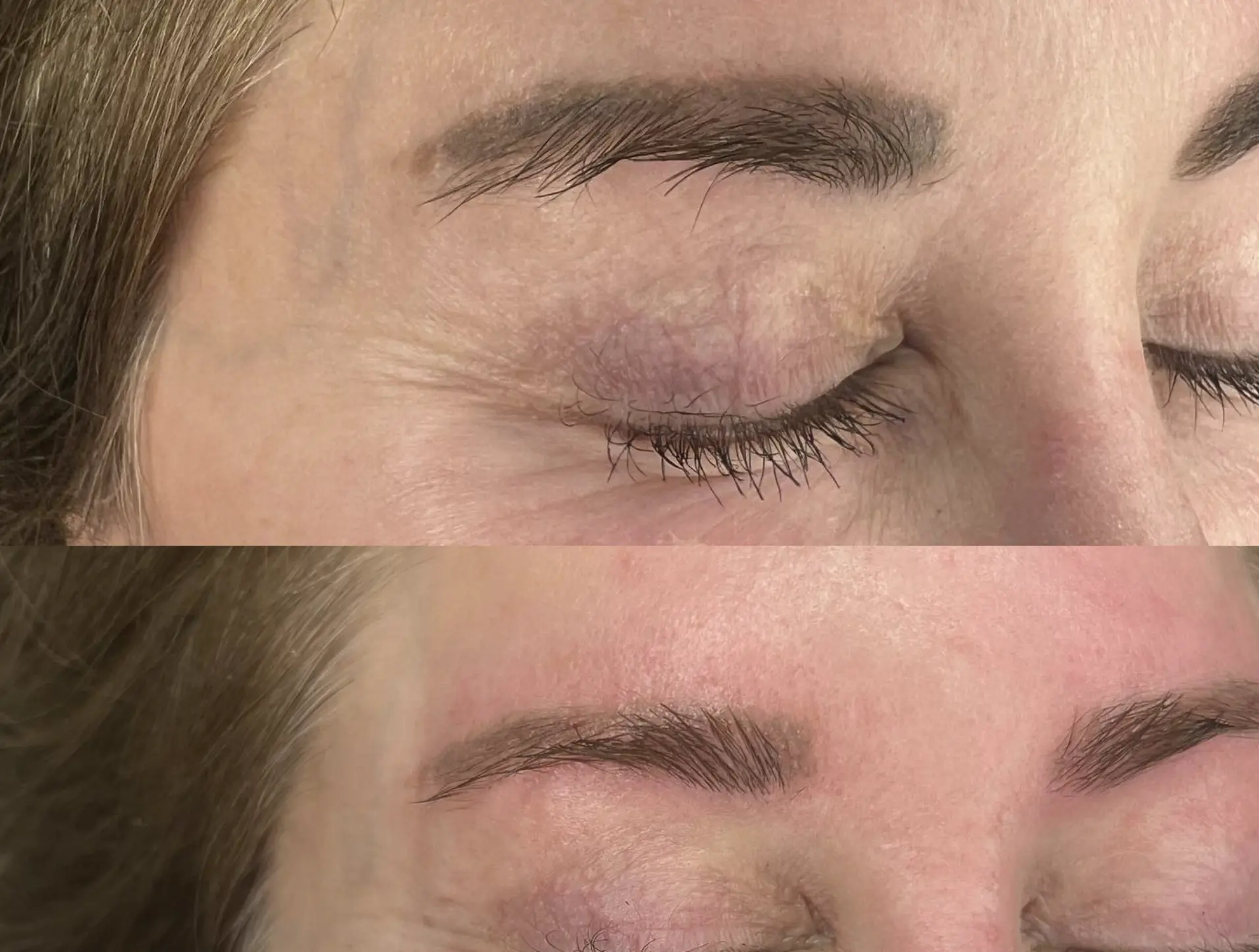
2. First Week:
- Scabs will start to form over the treated area. Aftercare is key during this period.
- Keep the area clean and dry. Use a clean paper towel to dab it gently if needed. No direct sun and no cosmetic products.
- No intense light, no strenuous activities and no swimming.
3. 2-4 weeks post procedure:
- Scabs will fall off naturally, and you will see lighter skin underneath. The gradual fading process may still leave the area pink or sensitive.
- The healing process under the skin continues as the saline solution pulls out the ink pigments and pigment particles.
- Use a barrier cream as instructed to protect the healing skin and prevent infection.
4. Full Recovery (6-8 weeks):
- The area should be fully healed so you can see the results.
- More saline tattoo removal sessions may be needed for stubborn or resistant pigments.
- Protect the area from direct sun with clothing or sunscreen to maintain the results.

Healing Time Factors
- Skin Type: Sensitive skin or oily skin takes longer to heal than thicker skin.
- Tattoo Size and Ink: Bigger tattoos or multiple colors take longer to heal.
- Aftercare: Following aftercare instructions (no direct sun and keep clean) heals faster.
- Overall Health: Healthy immune system and hydration heals better.
Recovery Tips
- Follow Aftercare: Follow the instructions given by your tech for the best results.
- Don’t Pick or Scratch: Let scabs fall off naturally to avoid scarring and complications.
- Stay Hydrated and Healthy: Drink plenty of water and eat foods high in vitamin C and zinc to help skin repair.
- Use Protection: Apply sunscreen or protective clothing after healing to prevent hyperpigmentation from sun exposure.
- Avoid Blood Thinners: Don’t use fish oil or other blood thinners that can interfere with healing.
Saline Tattoo Removal Benefits
Saline tattoo removal is an option for those who want to remove unwanted tattoos without high-intensity laser light. It works on cosmetic and body tattoos and is a holistic approach to tattoo removal. It’s great for eyebrow tattoo removal, eyeliner tattoo removal and scalp micropigmentation tattoo removal.
Common Concerns and Risks
Saline tattoo removal is popular in many locations, including tattoo removal Melbourne. Clients consider tattoo removal cost and their needs for eyebrows tattoo removal when choosing the right method.

While saline tattoo removal is safe, if aftercare is not followed, there are risks:
- Infection: Proper skin cleaning and sterile saline is key to minimize complications.
- Scarring: Picking at scabs or bad aftercare can cause permanent scarring.
- Redness and Swelling: Mild redness from saline tattoo removal is normal and will fade over time.
FAQ
How many sessions does it take to remove a saline tattoo?
Number of sessions depends on tattoo size, pigment density and skin type. 2-6 sessions for lightening.
Is saline removal painful?
Most clients feel mild discomfort, like getting a tattoo. A numbing agent is used to make it comfortable.
Can saline removal be used on all skin types?
Yes, saline removal is suitable for all skin thicknesses and types. Consultation before saline removal is recommended.
Are there any risks or side effects?
Redness, swelling, scabbing. Following aftercare instructions minimizes the risk of infection or permanent scarring.
How is saline removal different from laser removal?
Saline removal uses a natural saline solution to pull out pigment, laser uses high intensity light to break down pigment—both work but different for different ink and skin types.