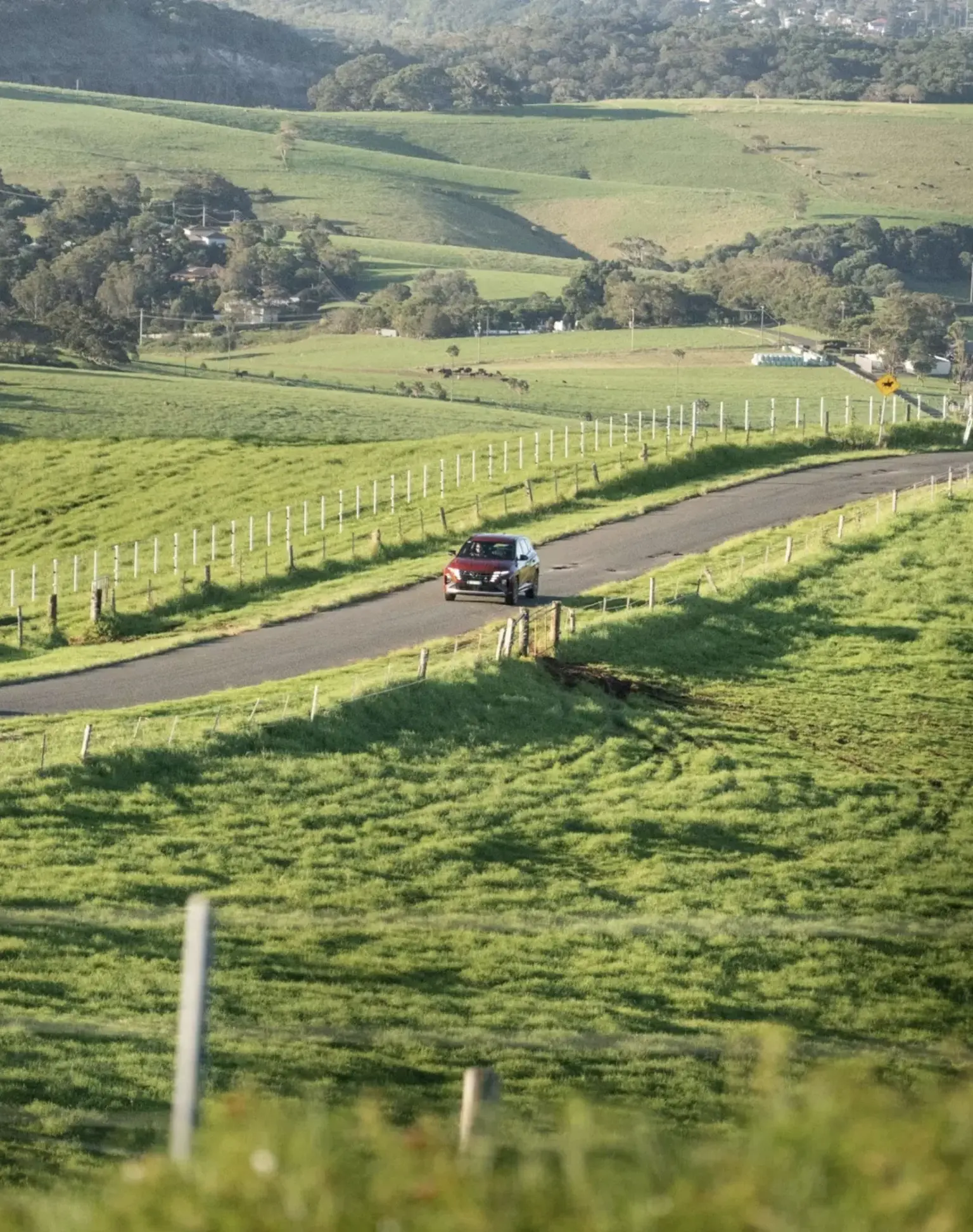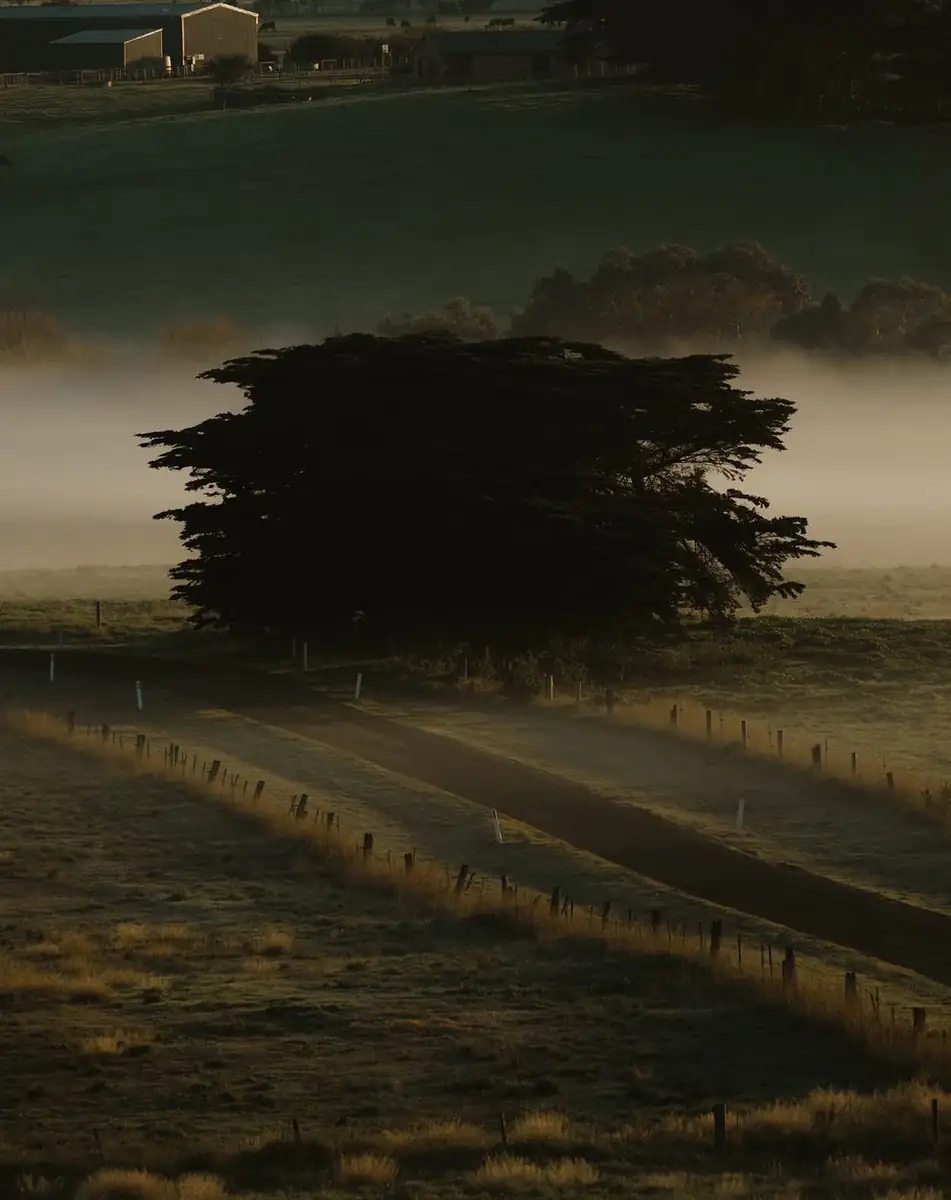
Driving the Great Ocean Road “backwards” – you know, starting from Warrnambool and heading up to Torquay – is honestly the best way to do it if you want a far more relaxed drive, easier stops, and less of a nervous wreck at the end of the day. I’m Paul, and after all the years I’ve spent running Great Ocean Road trips and guiding folks through this bit, I can tell you, no sugarcoating: most people stubbornly follow the normal Melbourne to Torquay route and end up stuck in traffic, missing the best stops, and over it by the end of the day. Turn it around and suddenly everything just… clicks.
The road itself doesn’t change at all – but the whole experience does.
Contents
- 1 Why Flipping the Route Fixes All the Frustrations
- 2 What Catches People Out Most
- 3 The Route That Really Works
- 4 Driving Realities That You Need To Take On Board
- 5 Costs And What You Can Really Expect
- 6 Seasonal Conditions That Shape Your Drive
- 7 Expectation Vs Reality
- 8 Who’s The Great Ocean Road For Anyway?
- 9 Final Thoughts From Experience
- 10 The Takeaway
- 11 FAQ
Why Flipping the Route Fixes All the Frustrations
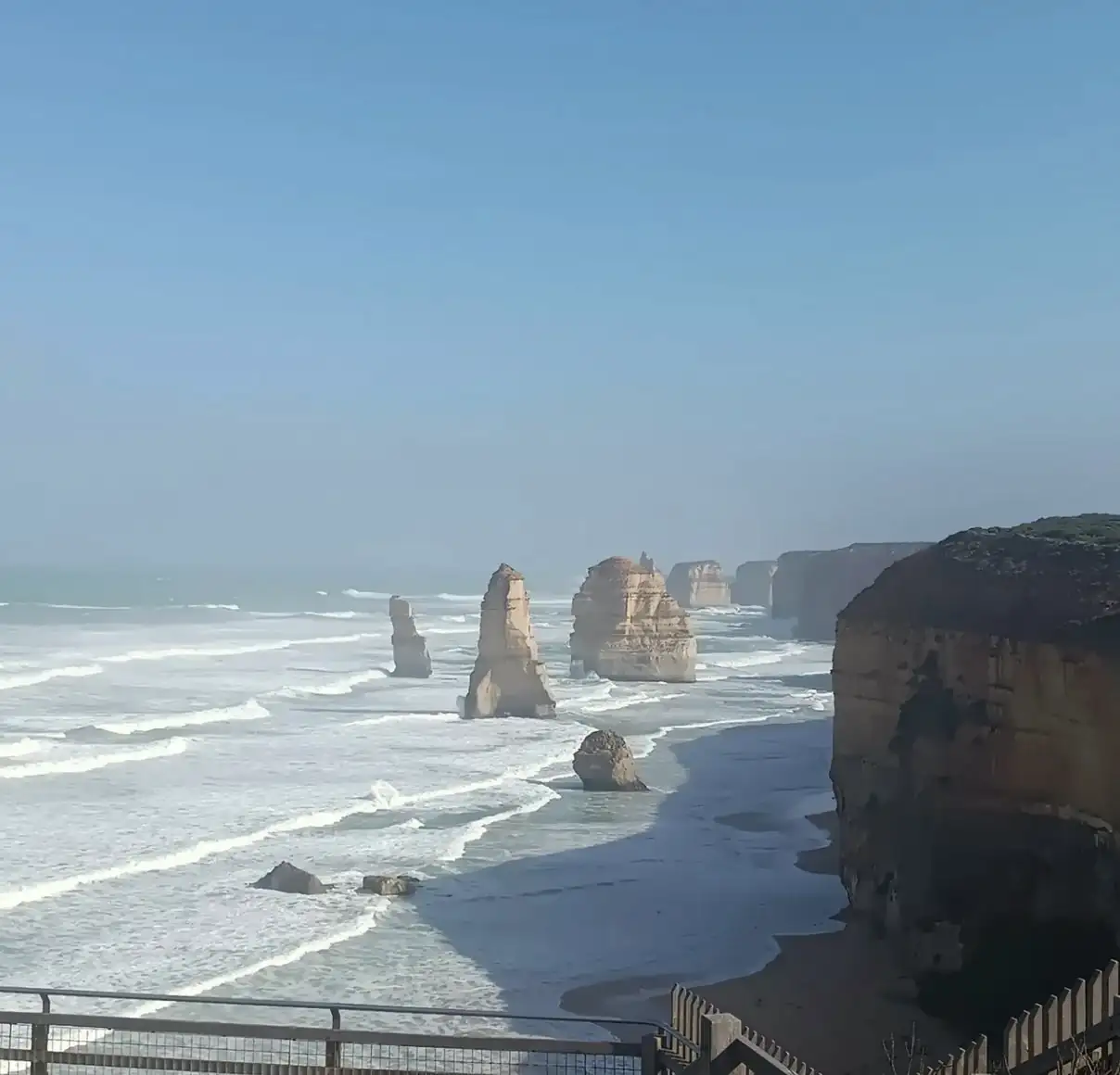
Most people don’t even realise the Great Ocean Road isn’t exactly designed for convenience – it’s really just a product of its geography. Cliffs, curves, and ocean views all dictate the route, and direction really does matter more than you’d think.
When you drive back up to Melbourne instead of away, you’re on the coastal side of the road. So you don’t keep having to cross traffic to pull over – you can just take a break when you see something, slow down, and drive in naturally, no fuss, no fumbling.
I remember one trip early on, running a standard route with a group in a rental car. We had to skip three pull-offs near the Apostles because there just wasn’t anywhere safe to stop from the wrong side of the road. Did the same run in reverse a week later – pulled into every single one of them like it was no big deal. That’s when it clicked.
What Catches People Out Most
You’d think a coastal drive would be a no-brainer. But it’s not. What gets people isn’t the distance – it’s the small decisions that add up over the course of a long day.
The biggest mistake is treating it like a casual drive. A typical Great Ocean Road trip from Melbourne looks all fine and dandy on the map, but then you factor in all the tight corners, the slow traffic, the stops, and the plain old tiredness – and it becomes a huge day out that needs focus.
By the time most drivers reach the last bit, their autopilot’s taken over, not their active attention. And that’s when you start to see the lines drifting off, the late braking, the hesitation at key turns – nothing too dramatic, but just enough to turn a great day into a bit of a nightmare.
And then there’s just being in the right spot. Driving the normal way tends to put you on the opposite side of the road from the views, which may sound like a minor thing, but in practice it means missing out on the best spots, dealing with awkward parking, and sometimes making tricky decisions about crossing traffic.
The Route That Really Works
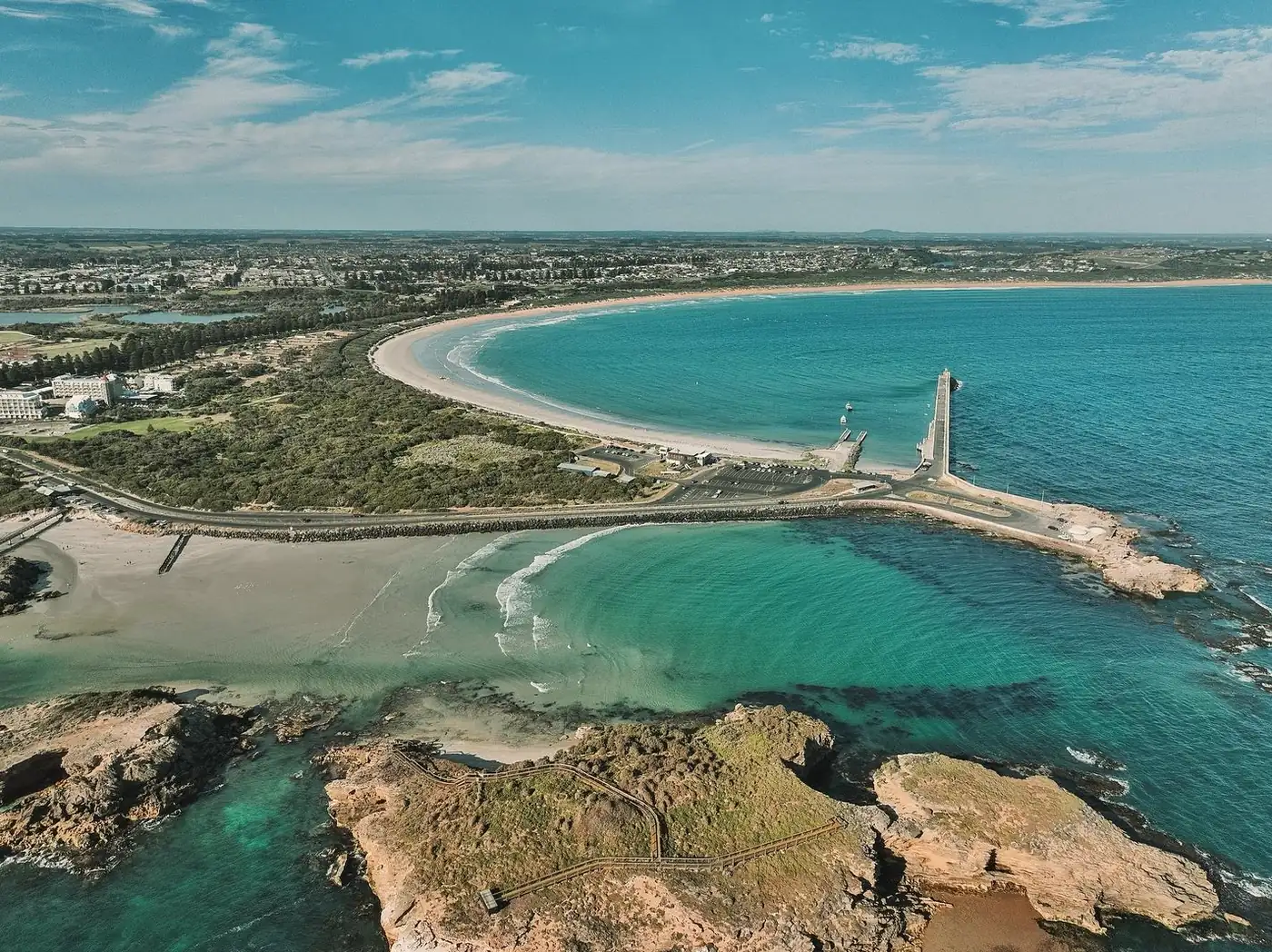
If you’re serious about this, you don’t start with the scenic views – you earn them.
Finding Your Legs Before You Reach The Starting Point
Don’t follow the coastal route from the start. Instead, head inland first. From Melbourne, take the Princes Highway towards Warrnambool – it’s a good way to get a feel for the road without getting worn out.
Realistically, it’s a 3.5 to 4-hour drive – you know, grab a coffee and refuel along the way, and before you know it, you’ll have 4.5 hours under your belt. It’s not exactly glamorous, but it means you’ll arrive at the coastal section feeling fresh, not knackered.
If the thought of driving all that way to start with doesn’t appeal, another option is to take the train to Warrnambool and pick up a car from there. It’s not something people do often, but it actually works pretty well if you’re organised.
When The Road Finally Starts To Feel Right
Once you hit the coast and turn east, everything just clicks into place. The road starts to feel more natural, you get a better sense of where you are on the road, and you start to get into a rhythm – stops become second nature instead of being something you have to think about.
Here’s how the day actually pans out.
| Section | Distance | Realistic Time | Road Feel | What You’ll Notice |
|---|---|---|---|---|
| Warrnambool → 12 Apostles | ~75 km | 1.5–2 hrs | Easy, open | Big-ticket landmarks |
| Apostles → Lorne | ~90 km | 2.5–3 hrs | Tight, winding | Wildlife, sharp bends |
| Lorne → Torquay | ~50 km | ~1.5 hrs | Smoother | Easier cruising |
Those times include slowing for traffic, pulling over and taking a proper look – not just checking off the list.
One thing that Ive noticed running Great Ocean Road tours over the years is how the middle section can catch some people out – it’s not so much hard driving, but it’s always on. You’re constantly steering, adjusting, and scanning the road – no chance of zoning out.
Getting Back To Melbourne Without Burning Out
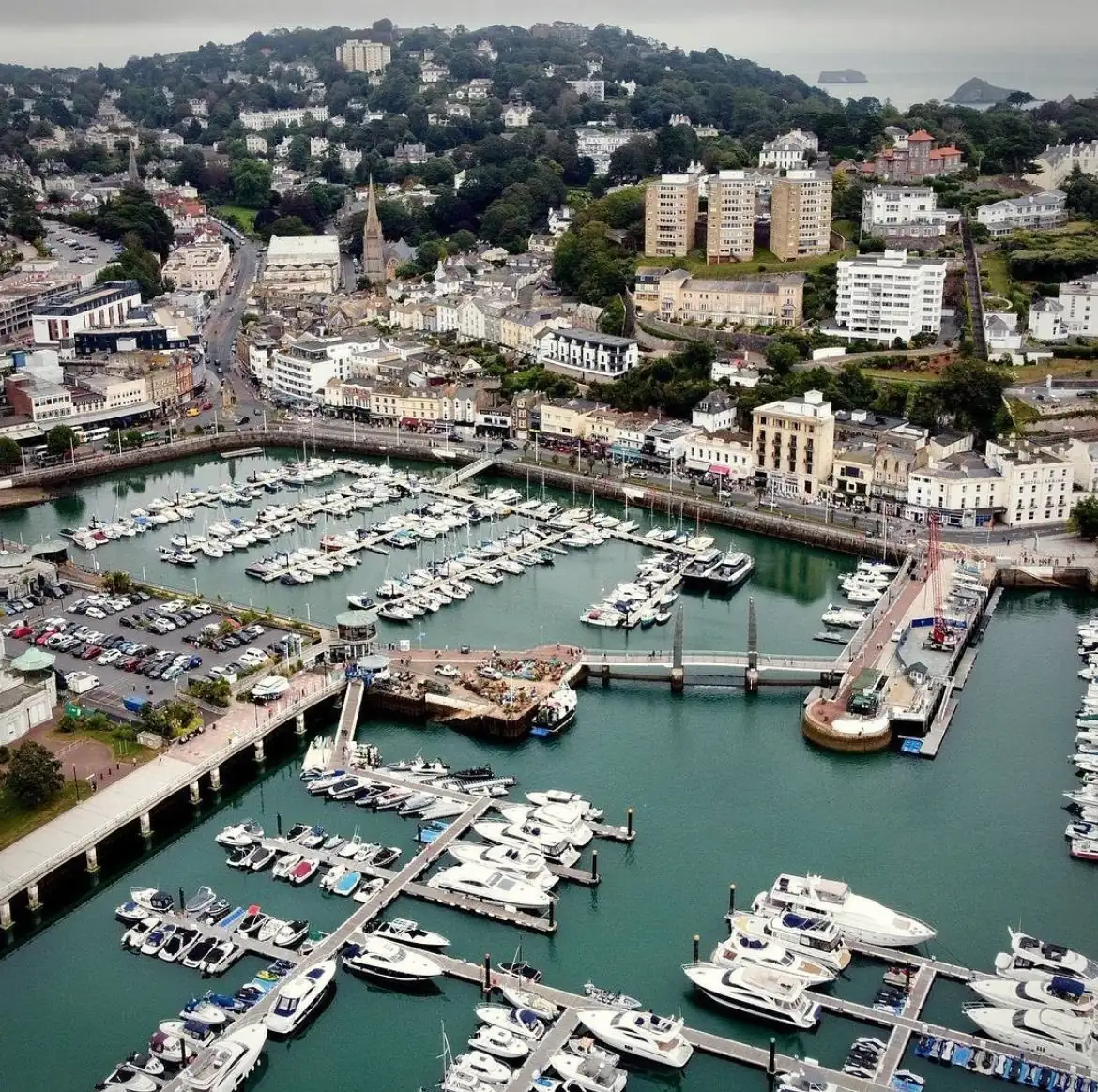
From Torquay, it’s roughly 1.5 to 2 hours back to Melbourne, depending on traffic, which is when fatigue tends to kick in hardest. The road is actually pretty straightforward, but your concentration doesn’t quite match what it was earlier in the day.
This is also the bit where some travellers start to let their guard down a bit too much. They’ve done the hard bit, and start to relax – which is when little mistakes start to creep in. Keep your wits about you, keep your seatbelt properly adjusted, and stay switched on – don’t let that happen to you.
Driving Realities That You Need To Take On Board
To be clear, this road isn’t exactly treacherous – but it’s also not exactly forgiving either.
You’ll encounter tight bends, changing weather, and drivers with all sorts of experience levels. Then there are tourists used to driving on the other side – that can make for some interesting moments. And let’s not forget the drivers who get complacent because there’s no traffic around to keep them in their lane – I’ve seen it happen more than you’d think, especially towards the end of the day.
Then there’s the matter of parking. Not every stop is straightforward – some are simple roadside bays, while others are tight little car parks where positioning is everything. Going backwards is usually a better bet – you’re coming in from the right side, rather than cutting across.
If you’re towing, be very cautious indeed. Trying to reverse a caravan into a coastal lookout with limited space and a tricky turn is one thing you don’t want to be trying to figure out on the fly. I’ve seen it happen more times than I care to remember – it can be a bit of a spectacle.
Costs And What You Can Really Expect
This trip isn’t going to break the bank – but it’s not free either.
Fuel will likely range from $60 to $120 AUD, depending on your vehicle and how much stopping and idling you do. Rental vehicles are a bit of a crapshoot – anywhere from $80 to $180 AUD per day is pretty normal.
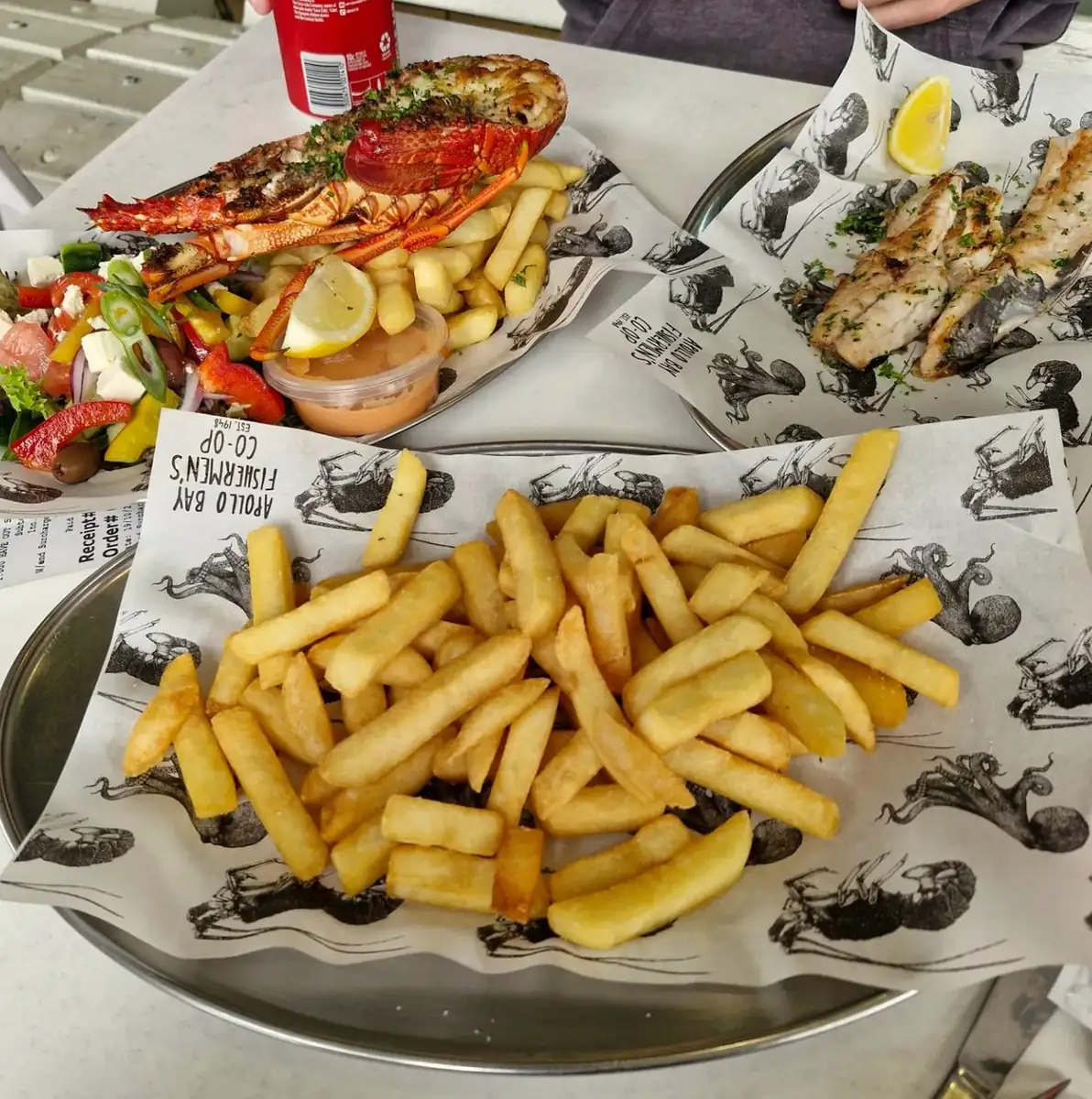
Food is also pretty variable, depending on how you like to travel. A couple of bakery stops, a coffee, maybe lunch in Apollo Bay – that’s maybe $20 to $50 per person, without even trying that hard.
If you’re weighing up the options, a Great Ocean Road tour from Melbourne or a Great Ocean Road day tour usually costs between $120 and $180 AUD. For a lot of travellers, especially those who are a bit unsure behind the wheel, that’s a pretty reasonable option.
A lot of people have switched to guided Great Ocean Road Tours after trying it on their own – not because they couldn’t do it, but because they wanted to actually enjoy the trip.
Seasonal Conditions That Shape Your Drive
The Great Ocean Road takes on a whole new character with the changing seasons – one that’ll catch you off guard if you don’t know what to expect.
Summer may bring longer days, but with that comes the headaches of heavier traffic, endless parking and waiting around, and a lot less time to actually enjoy the sights. It’s also the time when exhaustion can really start to build up due to the heat and the crowds.
Autumn and spring, on the other hand, are the real sweet spots. Fewer people around, steady weather and better traffic flow make for a much more enjoyable drive. If you can be flexible, these two seasons are when I’d always choose to go.
Winter‘s a bit quieter again, but you’ll definitely want to slow down – wet roads, hard to see, and the need to be really cautious means this isn’t a drive to be rushed. But there’s something nice about it too – the coastline can feel raw and exposed, and you get to see waterfalls that you wouldn’t see in the other seasons.
Expectation Vs Reality
Reality is a lot less glamorous than you might think. A long drive that needs focus from start to finish, and with limited time to stop off at each spot if you’re going to fit it all into one day.
That’s not a bad thing, I should add – but it’s something you need to know going in, or you might be in for an unpleasant surprise.
One Day? What Even Matters Then
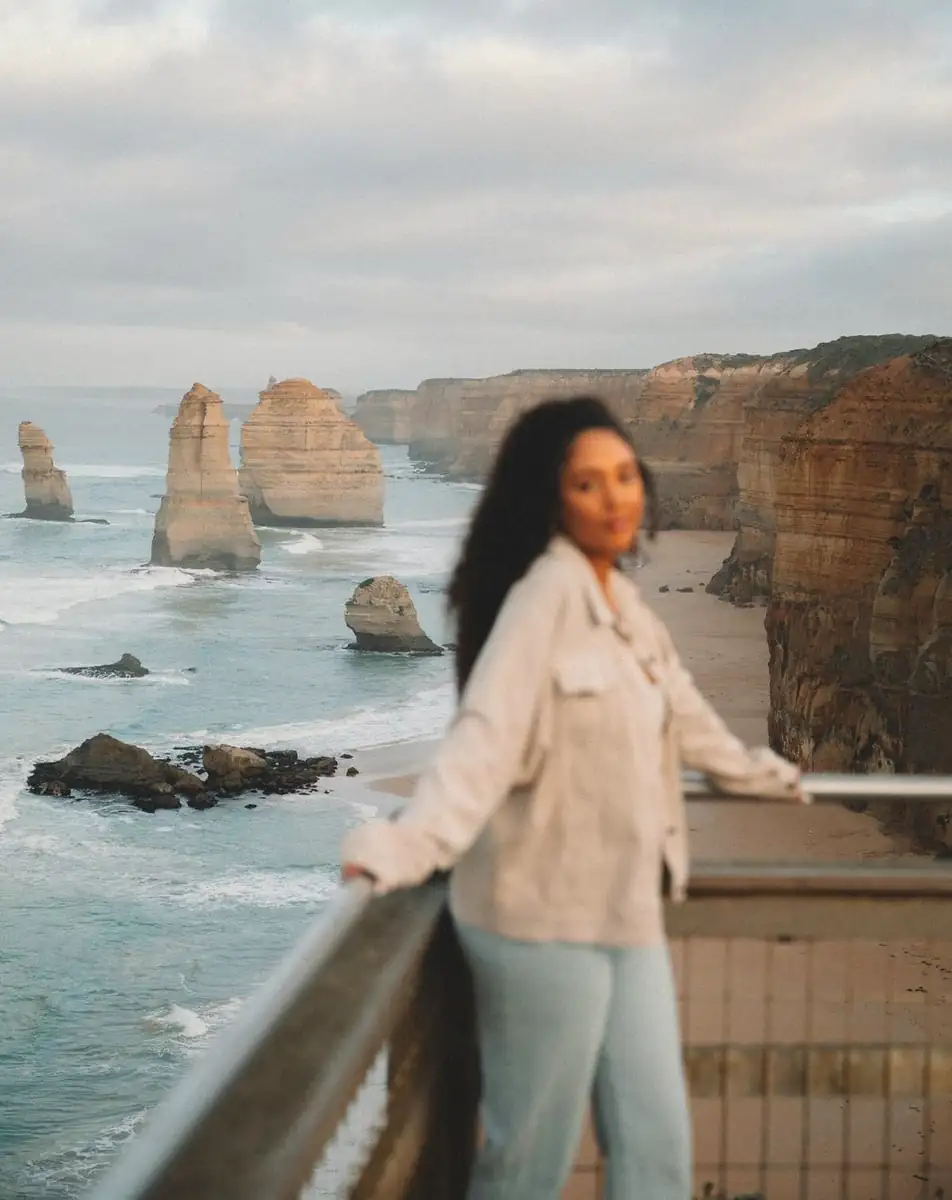
If you only have one day to do the Great Ocean Road, the key is to focus on what really matters.
The bit around the 12 Apostles and Loch Ard Gorge is where the real landscape action is – that’s where you’ll get the most impact for your time.
Don’t try to cram too much in – that’s where most one-day trips go wrong, and you’ll end up rushing around, missing things and spending more time driving than enjoying the views.
Who’s The Great Ocean Road For Anyway?
The Great Ocean Road is perfect for people who are happy behind the wheel, aren’t fussed about spending a whole day on the road, and can focus for long stretches.
But if you’re not comfortable with winding roads, or you’re not used to driving on the left, or you just don’t like the idea of having to concentrate on every bend, then maybe it’s not for you. I’ve seen seasoned travellers have a far better time when they’ve got someone else to take the pressure off. No shame in that at all – a structured trip with a guide can be a real blessing when you’re not up to the driving.
Final Thoughts From Experience
After years of driving the Great Ocean Road, the difference between driving it forward and backwards is as clear as day. Don’t get me wrong, driving it the “normal” way has its moments, but most people don’t know that driving it the other way round makes all the difference.
You get a much better position on the road, it’s a doddle to stop, and you’re a whole lot less stressed by the end of it. And that’s before we even talk about the flow of the whole day. The distance doesn’t change, but trust me, the way you feel about it does.
If you are planning a trip on the Great Ocean Road, I urge you not to just follow the masses. Flip the route, leave yourself plenty of time, and drive it like you mean it.
The Takeaway
Drive it in reverse, respect the conditions, and plan like your life depends on it. That’s how you turn what could be a mind-numbing day of driving into one that you’ll actually be grateful for.
FAQ
Is Driving From Warrnambool To Melbourne Really Better?
Yes, honestly, it is. You get to park up on the coastal side of the road, which makes stopping off along the way a lot easier – and cuts down on the number of hairy turns.
How Long Should I Allow For The Full Drive?
The thing is, you’ll want to allow yourself at least 10 to 12 hours for the whole shebang, including breaks. Any less than that and you’ll just be rushing.
Can I Do It Safely In A Rental Vehicle?
Yes, you can – but do allow yourself time to get the hang of the car, especially when you hit the twisty bits.
Is A One-Day Trip Too Much?
It’s doable – but be warned, it can be a bit of a grind. If you want a relaxed day out, consider staying overnight.
Are Tours A Better Option For Some Travellers?
Absolutely, they are. If you don’t like driving or you want to enjoy the view without the hassle, then let someone else do the driving.